
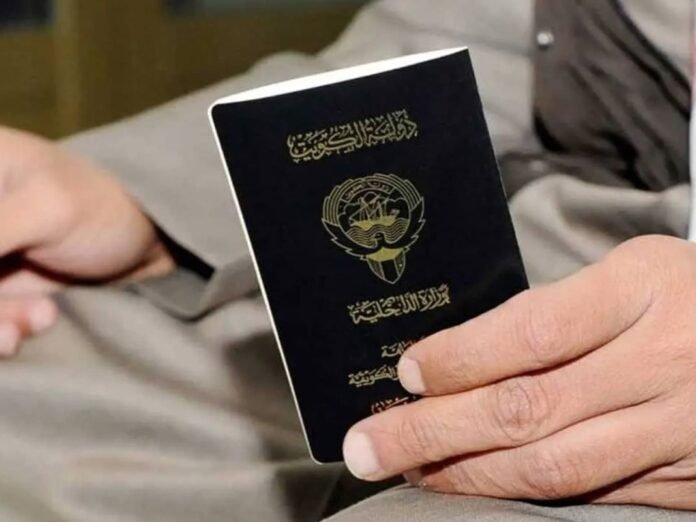
Kuwait has intensified its efforts in regulating nationality matters, highlighting the Kuwait citizenship revocation of 14 individuals in 2025. The government issued three separate decrees, affecting citizens and those who gained nationality through dependency. Authorities published the names in the government gazette, showing the legal measures and their reach.
Decree No. 218 of 2025 targeted 12 people, and it also affected anyone who obtained citizenship alongside them through dependency. The decision caught attention among local and regional observers because it showed the government’s strict approach toward nationality laws. Several legal experts noted this move might influence future applications for citizenship and naturalization.
Decree No. 219 of 2025 revoked the nationality of one woman, and it also applied to any dependents linked to her naturalization. Authorities followed administrative procedures, though they did not publicly disclose specific reasons. This step reinforced Kuwait’s legal framework and ensured the nationality system aligns with current regulations.
Meanwhile, Decree No. 221 of 2025 withdrew the citizenship of another individual. Like the other decrees, it affected anyone who gained citizenship through dependency. Observers remarked that the three decrees together marked one of the most extensive nationality adjustments in recent years.
The government gazette officially published all three decrees, emphasizing transparency in the legal process. Citizens and residents have been advised to monitor official announcements for further updates. Experts also highlighted that these measures form part of broader administrative reforms designed to strengthen governance.
While authorities did not provide detailed explanations, analysts pointed out that the decrees could influence legal rights, property claims, and family statuses. Additionally, these steps demonstrate Kuwait’s commitment to ensure that citizenship policies comply with national priorities and security considerations.
Local and international observers continue to follow developments closely. Legal practitioners suggest affected individuals may use administrative or judicial channels to challenge the revocations. Nevertheless, the government’s actions indicate firm enforcement of nationality rules.
As the situation unfolds, citizens and residents continue to assess its implications. Through these measures, the Kuwait citizenship revocation highlights the state’s approach to maintaining legal clarity and national integrity. It also sends a clear message about compliance with citizenship regulations while showing Kuwait’s readiness to uphold national law.
