
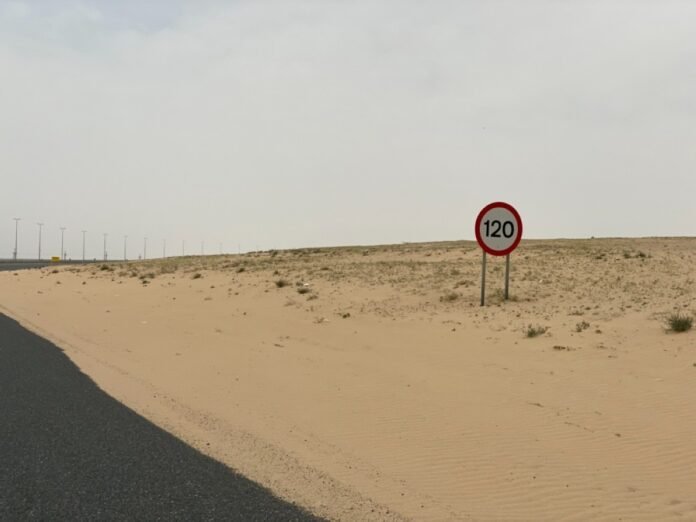
Kuwait’s environmental authorities and experts are calling for sustainable solutions to address the growing impact of dust and sandstorms on public health, ecosystems, and economic activities.
The Kuwait Environment Protection Society (KEPS) said tackling the issue requires long-term strategies based on scientific planning, environmental management, and cooperation between government bodies, the private sector, and civil society.
Speaking to Kuwait News Agency (KUNA), KEPS member Dr Wafaa Behbehani said dust and sandstorms have become a major development challenge, affecting road safety, air travel, port operations, agriculture, and overall productivity.
She highlighted afforestation as one of the most effective measures to reduce the impact of dust storms. Expanding green areas, planting trees, and creating windbreaks can help stabilize soil, reduce erosion, limit airborne dust, and improve air quality.
Dr Behbehani stressed that tree-planting projects in Kuwait must be carefully planned to ensure plants can survive the country’s harsh climate, including high temperatures, salty soils, and limited water resources. She added that continuous maintenance and monitoring are essential to ensure these initiatives become lasting environmental solutions.
She also pointed to Kuwait’s environmental legislation, which aims to protect vegetation and prevent desertification. The country’s Environmental Protection Law prohibits activities that damage plant cover, including overgrazing and the removal of trees and plants from public areas.
The Environment Public Authority (EPA) also emphasized the importance of national efforts to reduce the effects of sand and dust storms. EPA spokesperson Sheikha Al Ibrahim said Kuwait’s desert environment makes it vulnerable to such storms throughout the year, requiring continued awareness and coordinated action.
She said the EPA monitors air quality through stations across the country and uses the data to support environmental decisions and reduce health risks.
The authority stressed that managing dust storms requires more than emergency responses, with sustainable practices, protection of vegetation, and efforts to combat desertification playing a key role in improving Kuwait’s environmental resilience.
The United Nations General Assembly declared 2025–2034 the Decade for International and Regional Cooperation on Combating Sand and Dust Storms, recognizing the global impact of these events on communities, ecosystems, and sustainable development goals.
