
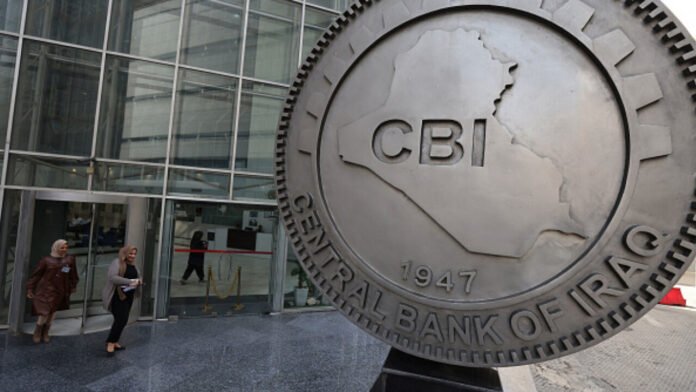
Iraq’s public spending and debt showed a slight decline in May, according to the latest data from the Central Bank of Iraq (CBI). This key financial indicator highlights changes in the country’s economic management amid fluctuating oil revenues. Public expenditure dropped compared to the previous month and last year’s figures. Meanwhile, domestic debt edged down marginally but still grew year-on-year.
In detail, Iraq’s public expenditure reached 9.35 trillion Iraqi dinars ($6.67 billion) in May. This number fell by 1.48% from April’s 9.49 trillion dinars ($6.77 billion). Moreover, it represented a significant 12.4% decrease compared to May 2024, when spending hit 10.68 trillion dinars ($7.61 billion). These numbers reveal cautious government spending during a volatile economic period, influenced by Iraq’s handling of public debt.
Domestic public debt also shifted slightly in May. It decreased from 85.54 trillion Iraqi dinars ($60.98 billion) in April to 85.50 trillion dinars ($60.95 billion). Although this decline appears small, the domestic debt increased by 8.56% compared to May last year, when it stood at 78.18 trillion dinars ($55.70 billion). The government continues to manage debt amid economic pressures and public spending adjustments.
According to Trading Economics data, Iraq’s government debt is projected to reach approximately 44% of GDP by the end of 2025. This forecast accounts for the country’s dependence on oil revenues, which remain unstable. Oil earnings still make up around 85% of the government budget. Additionally, over 90% of Iraq’s export earnings come from oil. This heavy reliance influences Iraq’s public spending and debt sensitivity to global price shifts.
To manage these risks, Iraq’s economic policies will likely focus on balancing spending and borrowing. The latest figures demonstrate careful adjustments in May. As the government fine-tunes Iraq’s debt commitments and spending strategies, monitoring these trends will remain critical for future economic stability.
