
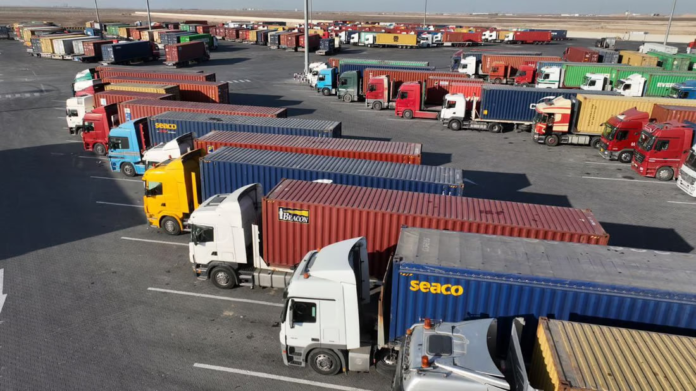
Iraq’s position as a leading importer of Iranian goods has strengthened significantly, highlighting growing trade ties between the two neighbors. According to Iran’s National Center for Strategic Studies of Agriculture and Water, Iraq accounted for nearly 39% of Iran’s agricultural exports during the first nine months of the Iranian year ending March 2026. Furthermore, Iraq absorbed 50% of Iran’s food industry exports, reinforcing its role as a key regional market.
The Iraqi market primarily imported dairy products, vegetables such as tomatoes and cucumbers, and fruits including apples, watermelons, and dates. Most shipments originated from Iran’s western and southwestern provinces, particularly Khuzestan, Kermanshah, and Ilam, which border Iraq and serve as vital trade corridors. Consequently, these provinces act as critical gateways for Iranian agricultural and food products reaching Iraq.
Following Iraq, the United Arab Emirates ranked second, receiving 21% of Iranian agricultural exports. Russia came next with 10%, followed by Pakistan at 5%, and Afghanistan at 4%. Other countries such as Oman, Turkey, Turkmenistan, India, and Qatar imported between 2% and 3% of Iran’s agricultural goods. This distribution demonstrates Iraq’s dominant position as a regional import hub for Iranian products.
Data from the Islamic Republic of Iran Customs Administration (IRICA) also revealed that Iraq consistently led imports in 2024, purchasing $1.4 billion to $1.7 billion worth of Iranian agricultural and food products. This accounted for roughly one-third of Iran’s total exports in the category, illustrating the market’s critical economic role.
Analysts say Iraq’s growing demand for Iranian agricultural and food products reflects the country’s rising population, increased consumption, and strengthened bilateral trade relations. Moreover, this trend encourages improvements in logistics, storage, and cross-border supply chains, ensuring smoother commerce.
Iraq’s position as a leading importer of Iranian goods not only boosts economic activity but also enhances regional cooperation. Moving forward, continued investment in transportation infrastructure and trade facilitation could further strengthen this strategic partnership.
