
Iraq’s new Development Road Project marks a major step in national infrastructure growth and regional connectivity. The focus on infrastructure growth aims to strengthen trade, create jobs, and position Iraq as a regional hub. Moreover, infrastructure growth is central to Iraq’s long-term economic vision and integration with international markets.
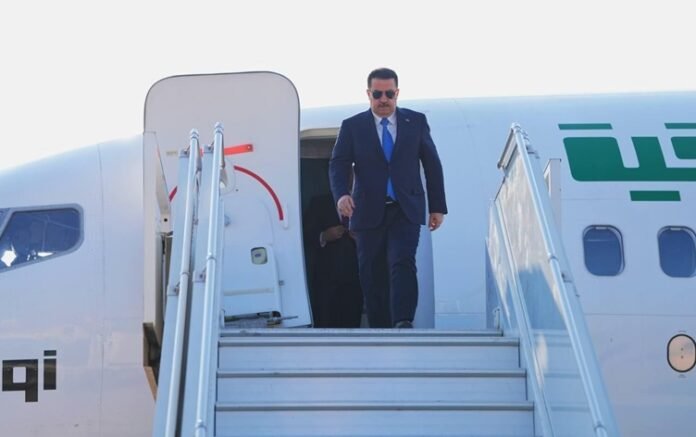
Prime Minister Mohammed Shia’ al-Sudani visited Basra province on Thursday to inaugurate the first section of the Development Road Project. This initial stretch spans 62 kilometers, connecting al-Faw Port with Umm Qasr Port. Additionally, it sets the stage for seven phases, each managed by different construction companies.
The entire project will cover 1,200 kilometers and cost an estimated $17 billion. It will include highways and railways to transport goods and passengers efficiently. Furthermore, officials expect the project to generate around $4 billion in annual revenues.
The initiative aims to enhance Iraq’s geopolitical standing while boosting the national economy. By linking the Gulf ports to the northern border with Turkey, the project will open new routes for trade with Europe. Additionally, it is anticipated to create thousands of jobs across multiple sectors, including construction, logistics, and transportation.
Transport ministry spokesperson Maysam al-Safi confirmed that the “basic version” of the project will be completed by the end of December. This milestone will allow companies to participate in tendering processes for subsequent phases. Furthermore, the phased approach ensures systematic progress while maintaining quality standards.
However, the plan has raised concerns from the Kurdistan Regional Government. The proposed route currently bypasses major highway and railway links to the Kurdistan Region. As a result, officials warn that centralizing trade routes through federal territories could limit the Region’s control over cross-border commerce and customs revenues.
Despite these concerns, the Development Road Project demonstrates Iraq’s commitment to infrastructure growth. Through strategic planning, modern construction techniques, and regional coordination, Iraq aims to enhance trade, attract investment, and strengthen national logistics networks.
Overall, the project reflects Iraq’s ambition to modernize its transport sector and expand economic opportunities. By prioritizing infrastructure growth, the country moves closer to becoming a major trade hub in the region, benefiting both citizens and businesses.
