
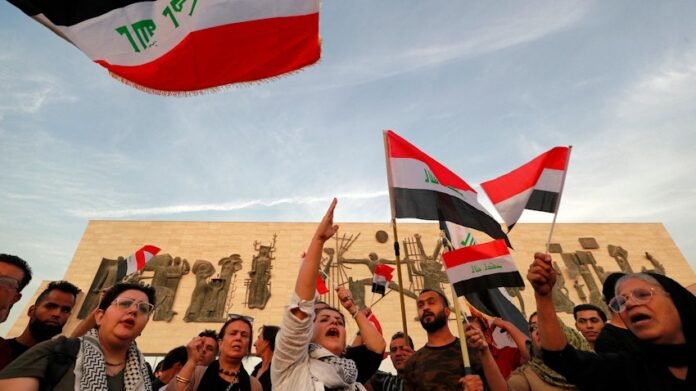
As Iraq prepares for parliamentary elections on November 11, the country faces a pivotal moment for regional influence. Analysts say this vote will determine whether external powers, particularly Iran and the United States, retain their sway over Iraq’s political landscape.
This election marks the sixth since the 2003 US-led invasion that toppled Saddam Hussein. However, enthusiasm among voters remains low. Many Iraqis view elections as performative rather than a true avenue to shape policy. Chatham House predicts voter turnout could fall to the lowest level since 2003.
Iran has faced setbacks across the Middle East in recent years. Its allies, including Hamas, Hezbollah, and the Houthis, suffered major defeats during the Gaza conflict. Iran itself faced Israeli airstrikes in June, with the US briefly joining. Meanwhile, the overthrow of Bashar al-Assad in Syria cost Tehran a key ally.
Weakened in the region, Iran aims to consolidate influence in Iraq through Shiite parties and allied armed groups. These factions play a decisive role in selecting prime ministers, including the current premier Mohammed Shia al-Sudani. Analysts note Iran retains influence as long as its allies control decision-making power.
Conversely, Iraq has long balanced relations between Washington and Tehran. Pro-Iranian militias carried out attacks on US positions early in the Gaza war, prompting retaliatory strikes. However, these groups largely stayed out of the 12-day Iran-Israel conflict, despite US involvement.
The upcoming vote is further complicated by the absence of Moqtada Sadr’s faction, which boycotts the election, citing sectarian dominance. This boycott may reduce voter participation even further. More than 21 million Iraqis are eligible to elect 329 lawmakers. The parliament will appoint a president, a largely ceremonial role, and a prime minister after extended negotiations.
The US is actively seeking to influence Iraq’s political outcome to limit Iranian sway. Washington has sanctioned Iraqis aiding Tehran and increased its economic presence through oil, technology, and healthcare contracts. Observers say the next prime minister is expected to curb Iran-aligned groups’ autonomy.
Meanwhile, Iraq’s Kurdistan region will hold elections where the rivalry between the Kurdistan Democratic Party and the Patriotic Union of Kurdistan remains strong. The quota system ensures at least 25 percent of parliamentary seats go to women and reserves nine seats for minorities. Over 7,700 candidates, nearly a third women, are competing.
The upcoming elections are critical for Iraq’s regional influence, internal stability, and the balance of power between Tehran and Washington. They will shape the country’s politics and international relations for years to come.
