
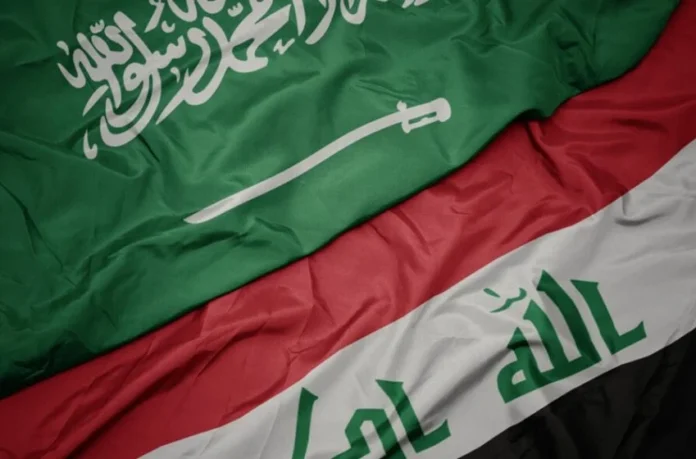
Iraq and Saudi Arabia intensified cooperation Monday as the regional escalation heightens security concerns across the Middle East. Officials emphasized that the regional escalation threatens stability, citizen safety, and regional trade.
Iraq’s Deputy Prime Minister and Foreign Minister, Fuad Hussein, spoke with Saudi Foreign Minister Faisal bin Farhan to review recent developments. During the call, Hussein reported the Al-Rasheed Hotel incident, confirming all Saudi delegates and hotel guests were unharmed.
Hussein thanked Saudi Arabia for enabling thousands of stranded Iraqi citizens to return home via the Arar border crossing. This action reflected strong cooperation during the ongoing escalation.
Prince Faisal shared updates on security incidents affecting Saudi Arabia, including persistent drone threats despite tensions between Iran, the US, and Israel. Both ministers stressed that regional escalation requires constant monitoring and rapid response coordination.
Hussein also briefed his counterpart on Iraq’s diplomatic engagements with international partners, highlighting efforts to reduce the crisis’s impact. He stressed Iraq’s commitment to dialogue and preventing further regional instability.
Analysts note that the regional escalation has prompted heightened vigilance in border security and civil protection measures. Meanwhile, joint diplomatic efforts aim to safeguard civilians, infrastructure, and trade routes.
Both Hussein and Faisal agreed to maintain close collaboration, exchanging intelligence and tracking regional developments daily. They emphasized that combining diplomacy with defensive readiness remains essential to de-escalate tensions.
Security experts underscore that the regional escalation could have wider implications if left unchecked, affecting energy exports, trade flows, and civilian safety. Iraq and Saudi Arabia’s coordination illustrates the importance of regional partnerships.
Iraq and Saudi Arabia navigate the regional escalation through diplomacy, intelligence sharing, and civil protection. Their proactive approach demonstrates strategic efforts to safeguard citizens, stabilize the region, and support broader Middle East security.
