
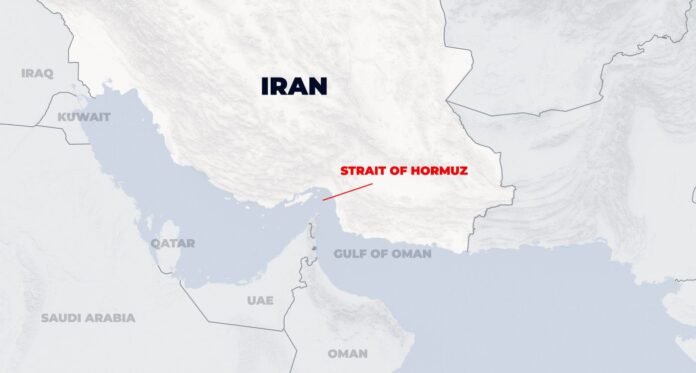
The growing Hormuz economic crisis is placing heavy pressure on Bahrain and its regional partners. Officials warn that disruptions in the Strait of Hormuz now threaten millions worldwide. As tensions rise, the economic shock spreads quickly across Gulf and neighboring economies.
Bahrain raised urgent concerns at the international level. Its foreign minister told the United Nations Security Council that the situation affects the entire world. He stressed that blocking shipping routes harms vulnerable nations the most. Therefore, Bahrain continues to push for immediate global action.
The crisis has reduced tanker traffic through the strait by over 90%. This sharp decline disrupts global oil flows and supply chains. As a result, energy markets remain unstable and unpredictable. In addition, the slowdown threatens food security in multiple regions.
The impact of the Hormuz economic crisis appears clearly in Iraq. Prices of basic goods have surged across major cities. For example, vegetables and eggs now cost significantly more than last month. Consequently, families struggle to manage daily expenses.
At the same time, salary delays have increased financial pressure on Iraqi households. Many workers now wait weeks for payments. Moreover, reduced oil exports limit government spending. This situation weakens economic stability and slows recovery efforts.
In Saudi Arabia, authorities continue to protect energy infrastructure and maintain supply routes. However, regional instability still affects trade and investor confidence. Therefore, Saudi Arabia strengthens coordination with Gulf partners to manage risks.
Bahrain faces additional challenges due to its smaller financial reserves. Unlike larger Gulf economies, it has fewer buffers against external shocks. As a result, analysts warn that prolonged disruption could strain its economy further. Still, Bahrain remains active in diplomatic efforts to contain the crisis.
Across the region, governments report rising inflation and declining business activity. Tourism, transport, and trade sectors all face setbacks. Furthermore, companies delay projects due to uncertainty. This environment slows economic growth and limits job opportunities.
International organizations now warn of severe consequences. Experts estimate that millions could fall into poverty if disruption continues. Therefore, global cooperation becomes essential to stabilize markets and restore shipping routes.
The Hormuz economic crisis continues to reshape economic conditions across Bahrain, Iraq, and Saudi Arabia. While each country responds differently, all face growing pressure. Regional leaders now seek urgent solutions to prevent deeper economic damage.
