
Harir celebrated its first-ever agricultural festival, marking a major step in the agricultural revival sweeping across the Kurdistan Region. The three-day event attracted more than 20,000 visitors, turning the small town into a lively marketplace for farmers, families, and tourists.
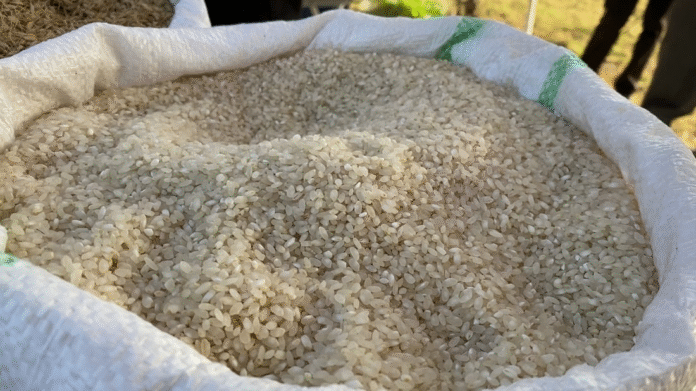
Over 100 local farmers showcased their finest products, including the region’s famous rice. The festival created a direct bridge between growers and consumers, giving farmers an opportunity to sell their goods without middlemen. Visitors filled the town with excitement, purchasing fresh produce, handmade crafts, and traditional foods.
The energy of the event reflected a new era of agricultural revival in the region. Farmers also shared their pride in Harir’s products, highlighting years of hard work and dedication. One farmer explained that the event helped people “discover the unique flavor and quality of Harir rice.” Families worked together in colorful booths, emphasizing community spirit and teamwork.
Women played a central role throughout the festival. Many sold homemade foods, handicrafts, and local specialties alongside their families. Moreover, organizers praised their participation, saying it reflected the creativity and strength of women in the region.
Layla Dilshad, one of the festival organizers, said the turnout exceeded expectations. “We wanted to promote Harir’s products, and the results were amazing,” she shared. The overwhelming attendance confirmed the growing interest in supporting local goods.
The festival also supported tourism, drawing visitors from nearby cities and neighboring towns. Hotels filled up quickly, restaurants stayed busy, and local shops saw record sales.
Across Kurdistan, similar festivals are reinforcing this agricultural revival. Events in Amedi, Akre, and Halabja are showcasing apples, honey, figs, and pomegranates, proving that agriculture can drive both economic and cultural growth. These celebrations not only connect farmers with buyers but also preserve regional traditions.
Harir’s success story symbolizes hope for the entire region. With continuous support for agriculture, festivals like this can strengthen local economies and inspire future generations. The agricultural revival continues to grow—one festival, one farmer, and one proud community at a time.
