
The GCC security coordination efforts took center stage as Gulf leaders rejected any attempt to close the Strait of Hormuz or disrupt maritime traffic. The statement came during the 19th consultative meeting held in Jeddah, where leaders addressed rising regional tensions and recent attacks affecting Gulf states and Jordan. Officials described these actions as violations of sovereignty and international law.
Gulf leaders stressed that maritime security remains a shared responsibility across member states. They emphasized that any threat to one country affects the entire region. In their statement, they reaffirmed collective defense principles and highlighted the importance of unity in responding to external risks. They also called for restoring full freedom of navigation in the Strait of Hormuz without restrictions or imposed fees.
The meeting also focused on reducing escalation through diplomatic channels. Leaders encouraged continued dialogue to avoid further instability in the region. At the same time, they praised the readiness of Gulf defense forces and their ability to maintain energy flows despite regional challenges. Energy security remains a central concern for Gulf economies.
The discussion also reviewed ongoing joint projects across the region. These include developments in rail networks, energy infrastructure, logistics systems, and early-warning defense capabilities. Officials said these initiatives strengthen long-term regional integration and improve response capacity during crises.
The GCC security coordination framework continues to evolve as member states respond to shifting geopolitical conditions. Leaders stressed that stronger cooperation remains essential to protect shared economic and strategic interests. They also reiterated support for accelerating regional development projects that enhance stability and connectivity.
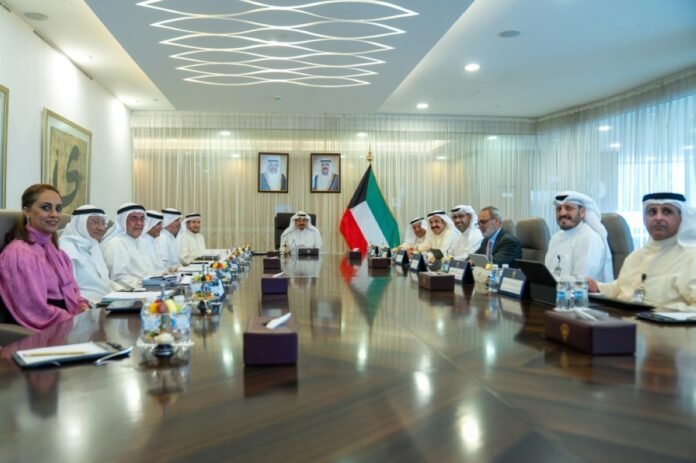
In Kuwait, the Prime Minister chaired the 130th meeting of the Supreme Petroleum Council. The council reviewed major projects under Kuwait Petroleum Corporation and its subsidiaries. Members also discussed long-term strategies for energy development and reviewed implications linked to changes in OPEC and OPEC+ participation.
Officials in Kuwait highlighted the importance of aligning national energy policies with global market shifts. The meeting also focused on maintaining efficiency in oil production and investment planning. Energy decisions remain closely tied to regional economic stability and global demand trends.
Meanwhile, Kuwait’s interior ministry announced new promotions for a group of officers. The minister emphasized that the promotions reflect dedication and professional performance. He also encouraged officers to maintain discipline and strengthen national security efforts across the country.
Across the Gulf, security and energy discussions remain interconnected. Policymakers continue to balance geopolitical risks with economic priorities. The latest developments reinforce the importance of cooperation among Gulf states in addressing shared challenges.
The GCC security coordination strategy remains central to regional policy as leaders work to ensure stability, secure energy routes, and support long-term economic resilience.
