
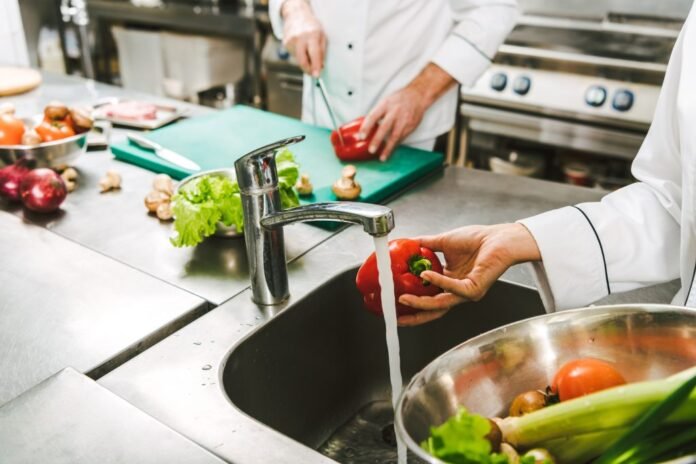
Authorities in Muscat are urging residents to strengthen kitchen food safety practices at home. The Food Safety and Quality Centre shared several practical guidelines aimed at reducing contamination and protecting public health. Officials explained that simple habits in the kitchen can significantly influence food quality and safety. Therefore, they encouraged families to stay mindful while preparing, storing, and handling food every day.
First, officials discussed the correct use of disposable gloves during food preparation. Gloves can help reduce contamination when cooks handle raw ingredients. However, experts stressed that gloves cannot replace proper handwashing. People should wash their hands thoroughly before wearing gloves and after removing them. In addition, cooks should avoid wearing gloves for extended periods. When gloves touch multiple surfaces, they can spread bacteria instead of preventing it. Consequently, changing gloves frequently remains essential for proper kitchen food safety.
Furthermore, the centre highlighted the importance of choosing and using cooking oil carefully. Cooking oil does more than add flavor to meals. It also affects the nutritional value and safety of food. Experts advised consumers to select oils that match the cooking method. For example, oils with higher smoke points work better for frying. Meanwhile, people should avoid overheating oil because excessive heat produces harmful compounds. Officials also warned against reusing cooking oil repeatedly. Fresh oil helps maintain healthier meals and reduces potential health risks.
Another common kitchen item also drew attention from food safety experts. Dishwashing sponges often carry bacteria because they collect food particles and moisture. Busy cooking periods can increase this problem significantly. For instance, families prepare more meals during Ramadan and other gatherings. As a result, sponges can become breeding grounds for bacteria if users neglect proper care. Experts recommend rinsing sponges thoroughly under running water after each use. Afterwards, cooks should squeeze them dry and store them in well-ventilated areas. Regular replacement every one or two weeks also improves hygiene and supports stronger kitchen food safety practices.
Additionally, officials explained the safest method for thawing frozen food. Many people leave frozen meat or vegetables on the kitchen counter. However, this habit allows bacteria to multiply quickly at room temperature. Instead, experts recommend transferring frozen food directly into the refrigerator. Gradual thawing at cooler temperatures helps maintain food quality and reduces contamination risks.
Finally, the Food Safety and Quality Centre encouraged households to adopt consistent food-handling habits. Small daily actions can prevent foodborne illnesses and maintain healthier kitchens. Proper hygiene, careful ingredient handling, and regular cleaning all contribute to safer meals.
Officials concluded that everyone plays a role in protecting family health. By following these practical recommendations, households can strengthen food safety and create healthier cooking environments.
