
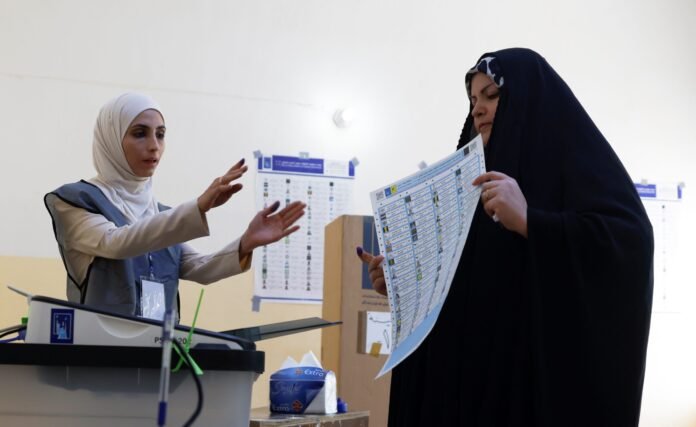
As Iraq approaches the November 11 parliamentary elections, Feyli Kurds’ political representation draws national attention. This Kurdish community, historically marginalized, seeks a stronger role in shaping Iraq’s political future.
The Feylis, among Iraq’s oldest Kurdish groups, live across Baghdad, Wasit, Diyala, Khanaqin, and Mandali. They contributed to trade, education, and culture for centuries. However, Saddam Hussein’s regime deported thousands to Iran, stripped many of citizenship, and confiscated homes. Families continue to mourn missing relatives.
Today, around two million Feylis reside in Iraq, but the government reserves only one parliamentary seat in Wasit Province. Many argue this quota does not reflect their population size or historical contributions. Advocates stress that increasing seats would strengthen Feyli Kurds’ political representation.
Iraq’s Federal Court previously endorsed expanding the Feyli quota to five seats, similar to Christian and Yazidi communities. Yet major Shiite blocs resisted, fearing it would reduce their influence. Consequently, Feyli candidates face competition from well-funded parties, leaving smaller groups disadvantaged.
Candidates like Haidar Ali Abu Tara, running with the Kurdistan Democratic Party, highlight financial and political challenges. Major coalitions invest heavily in campaigns, while Feyli candidates rely on limited resources. Nevertheless, they aim to serve all Iraqis, not just their community.
Community leaders urge Iraq’s Independent High Electoral Commission to enforce election fairness and prevent vote-buying. They also encourage younger Feylis to learn their history and actively engage in politics.
Many activists view stronger Feyli Kurds’ political representation as essential for national cohesion. They see the Feyli community as a bridge between Arabs and Kurds. Expanding their voice in parliament could help Iraq achieve a more inclusive and equitable political system.
