
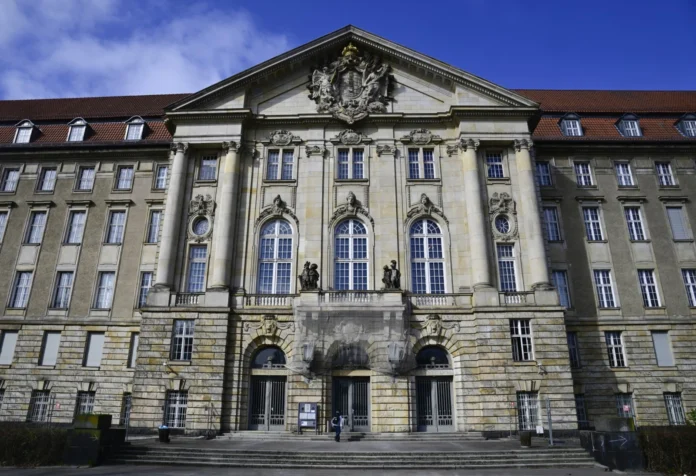
Berlin spy trial proceedings begin Thursday for a 57-year-old woman accused of gathering sensitive information for Russian intelligence. The German-Ukrainian businesswoman, identified as Ilona W., denies no charges publicly in the supplied report.
German prosecutors allege she used contacts among current and former defense ministry officials to collect information. They say the material concerned military aid for Ukraine, drone testing locations and Germany’s arms industry.
Prosecutors also accuse her of helping a Russian intelligence officer attend high-level political events in Berlin. They allege the officer worked for Russia’s GRU while posing as a diplomat at the Russian embassy.
The case follows her arrest in late January, which strained relations between Berlin and Moscow. German officials reacted angrily to the alleged embassy connection, and Foreign Minister Johann Wadephul called the affair hostile and unacceptable.
Germany summoned Russia’s ambassador after the arrest. Authorities also expelled the alleged handler, whom media reports identified as the embassy’s deputy military attaché. However, Russia’s ambassador, Sergei Nechayev, rejected claims that the embassy had links to the woman.
Nechayev said she might have encountered Russian representatives at public receptions, but he denied any relationship. He also said she held German and Ukrainian citizenship and had no known ties to Russia.
According to prosecutors, Ilona W. may have begun working for Moscow by October 2023, or possibly earlier. They argue that her advocacy group and small marketing agency gave her access to political and military circles.
For years, she led an organization promoting international cooperation, particularly involving Germany, Russia and Ukraine. Prosecutors allege she used her connections to introduce the Russian officer to people he hoped to recruit into an intelligence network.
The charges also claim she arranged access to political gatherings for the alleged handler. Investigators have not publicly detailed what information she may have passed on or whether officials suffered consequences.
The Berlin spy trial is expected to continue until May 2027. The court will examine the prosecution’s claims, the defendant’s alleged contacts and Russia’s denial of involvement.
The case adds another point of tension between Germany and Moscow amid the war in Ukraine. Still, the accusations remain allegations, and the court must assess the evidence before reaching a verdict.