
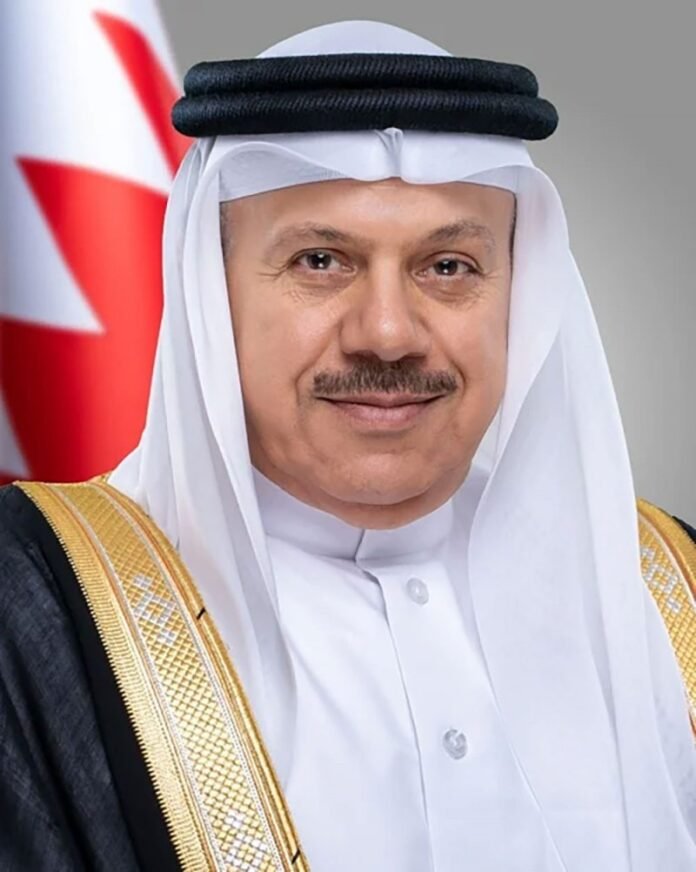
Bahrain human rights protection remains a central pillar of the country’s national policy. Foreign Affairs Minister Abdullatif bin Rashid Al Zayani highlighted this commitment during remarks marking Arab Human Rights Day. He stressed that the country continues to safeguard dignity, safety, and stability through strong institutions and coordinated national efforts.
Furthermore, he noted that constitutional institutions work closely together to strengthen public security. These institutions also support national unity during regional challenges. At the same time, society continues to show awareness and responsibility while facing complex developments in the region.
In addition, the minister praised the role of the League of Arab States in promoting human rights across the Arab world. He said Arab cooperation helps reinforce stability and strengthen solidarity among regional nations. Moreover, he emphasized that cooperation remains essential while countries address shared security concerns.
Meanwhile, the minister criticized attacks attributed to Iran that targeted regional states. He said the attacks struck civilian infrastructure and residential areas in several countries. As a result, civilians suffered casualties and serious injuries. According to the minister, these actions clearly violate international law and humanitarian principles.
Additionally, he stressed that such attacks contradict agreements that encourage peaceful relations between neighboring states. He also referenced regional charters that support human dignity and mutual respect. These frameworks, he explained, promote peaceful coexistence and reject aggression against sovereign nations.
However, Bahrain continues to prioritize dialogue and diplomacy when addressing disputes. The government encourages peaceful negotiations and responsible international engagement. Therefore, Bahrain maintains a balanced diplomatic approach to regional tensions.
At the same time, the country continues to strengthen its internal crisis response systems. Authorities expanded remote government services and increased digital service availability. Moreover, officials ensured that essential public services continue without interruption.
Education services also shifted toward remote platforms when necessary. Meanwhile, healthcare teams maintained readiness to provide advanced medical care. Authorities also worked to secure food and water supplies across the country.
Furthermore, energy networks and communication systems continue operating efficiently. Early warning systems and cybersecurity programs also support national preparedness. These measures demonstrate Bahrain human rights protection in action during challenging circumstances.
The minister also praised security institutions for protecting national stability. Coordination among defense forces, national guard units, and the interior ministry remains strong. This cooperation supports regional partnerships and strengthens collective security.
In addition, the government continues to encourage citizens to verify information carefully. Officials urged the public to avoid rumors and rely on official guidance. Public awareness plays an important role in protecting social cohesion.
Meanwhile, many countries expressed solidarity with Bahrain following recent regional tensions. International support also appeared in discussions within the United Nations Security Council. Diplomats highlighted the importance of respecting sovereignty and protecting regional peace.
Ultimately, Bahrain human rights protection continues to guide national policy and regional engagement. Leaders emphasize dignity, stability, and cooperation while addressing modern security challenges. Through these efforts, the country aims to strengthen peace, development, and stability across the region.