
Bahrain government and legislative cooperation remains a central priority as officials emphasize unified national efforts. Bahrain government and legislative cooperation continues to guide policymaking and institutional coordination. From the beginning, Bahrain government and legislative cooperation reflects a shared commitment to national development.
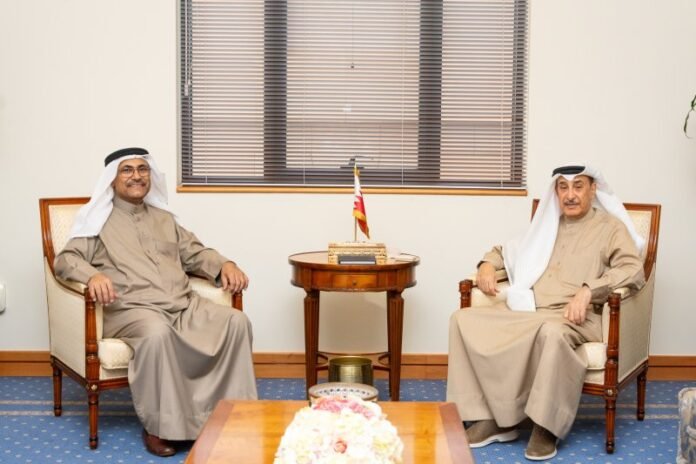
During a recent meeting in Manama, senior government officials reaffirmed support for close coordination with the legislative authority. The discussion focused on strengthening cooperation between executive and legislative institutions. Officials stressed that collaboration ensures balanced decision-making and effective governance.
The meeting highlighted the importance of ongoing dialogue between government leaders and Shura Council members. Participants emphasized that open communication improves legislative performance. As a result, laws can better address citizens’ needs and economic priorities.
Officials praised the role of legislative members in supporting national development goals. They noted that active participation strengthens oversight and policy quality. Moreover, cooperation helps align laws with long-term national strategies.
During the meeting, the deputy prime minister acknowledged the positive contributions of Adel Abdulrahman Al-Asoumi. He highlighted Al-Asoumi’s role in supporting legislative discussions and institutional development. Officials described these efforts as essential to strengthening parliamentary performance.
In response, Al-Asoumi expressed appreciation for the government’s collaborative approach. He emphasized that constructive dialogue encourages trust between institutions. Furthermore, he noted that cooperation enhances legislative effectiveness and accountability.
Government representatives reiterated their commitment to joint national efforts. They stressed that executive and legislative integration supports sustainable development. Additionally, officials highlighted the importance of shared responsibility in addressing national challenges.
The discussion also focused on future legislative priorities. Officials emphasized the need for laws that respond to economic changes. They also stressed the importance of modern governance tools and transparent processes.
Participants agreed that cooperation helps streamline decision-making. As a result, institutions can respond more efficiently to public needs. This approach also supports long-term stability and growth.
Officials noted that regular meetings strengthen institutional relationships. These engagements allow lawmakers to exchange views openly. Consequently, policies benefit from diverse perspectives and expert input.
The meeting reaffirmed that legislative development remains a national priority. Authorities stressed that effective laws support social progress and economic resilience. They also highlighted the importance of aligning legislation with national objectives.
In conclusion, Bahrain government and legislative cooperation continues to shape effective governance. The meeting underscored shared responsibility and institutional trust. As cooperation deepens, Bahrain aims to strengthen legislative performance and national development outcomes.
