
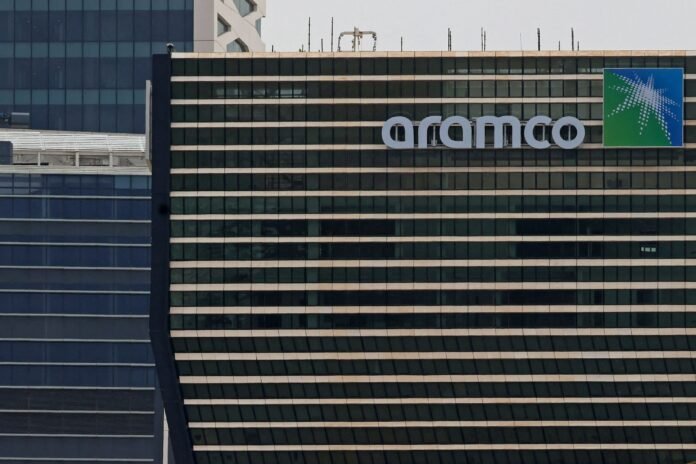
Saudi Arabia’s oil giant, Saudi Aramco, announced a 4.6% decline in its first-quarter net profits for 2025. The company’s net income fell to 97.54 billion riyals ($26.01 billion), down from 102.27 billion riyals ($27.27 billion) during the same period in 2024. This drop in Q1 net profits reflects ongoing challenges in global energy markets.
Aramco President Amin H. Nasser also commented on the impact of global trade dynamics, noting that “economic uncertainty impacted oil prices in the first quarter of 2025.” This highlights the vulnerability of energy markets to international economic shifts.
The oil market has faced steep declines in recent weeks, driven by concerns over U.S. President Donald Trump’s tariffs and their potential impact on global trade. Analysts suggest that these tariffs could stifle international demand, adding pressure to oil prices. Saudi Aramco’s drop in Q1 net profits signals broader economic challenges linked to geopolitical tensions and trade policies.
Despite the recent downturn, Aramco remains a crucial pillar of Saudi Arabia’s ambitious Vision 2030 reform plans. The Saudi government currently holds an 81.5% stake in Aramco and heavily relies on its revenues to fund transformative projects. These initiatives aim to diversify the Kingdom’s economy and reduce its dependence on oil.
Vision 2030 and Major Development Projects
Saudi Arabia’s Vision 2030 is at the heart of its economic transformation strategy. The Kingdom is investing in high-profile projects designed to attract tourism and global investments. Among these are NEOM, a $500 billion futuristic city in the desert, the 2034 Football World Cup, and a major new airport planned for Riyadh. These projects aim for a post-oil future, with Aramco’s revenues playing a vital role in financing them.
Saudi Aramco’s record profits in 2022, spurred by the surge in oil prices following Russia’s invasion of Ukraine, helped the Kingdom achieve its first budget surplus in nearly a decade. The windfall allowed for accelerated investments in infrastructure and economic diversification. However, the recent decline in Q1 profits underlines the Kingdom’s exposure to global energy market fluctuations.
