
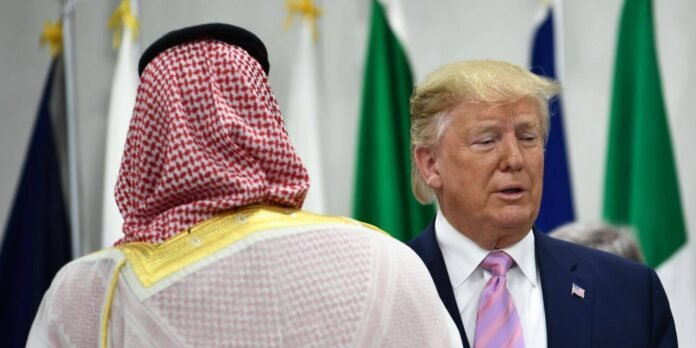
In a significant diplomatic move, U.S. President Donald Trump will visit Riyadh later this month to meet Gulf leaders. This marks his first official foreign visit of his second term. Previously, he made a brief trip to Rome for Pope Francis’ funeral. The visit, taking place from May 13 to 16, aims to promote regional unity and deepen U.S. engagement in the Gulf.
President Trump plans to meet leaders from six Gulf nations, all members of the Gulf Cooperation Council (GCC). These countries include Saudi Arabia, the United Arab Emirates, Qatar, Bahrain, Kuwait, and Oman. According to a senior official close to the Saudi government, the meetings will focus on boosting cooperation across political, economic, and security fields.
Regional unity will be a key focus throughout the discussions. Trump’s visit underscores Washington’s intent to strengthen alliances amid ongoing tensions in the Middle East. This high-profile trip comes at a crucial time for U.S.-Gulf relations. It is especially important with growing global interest in energy and regional stability.
The source, who requested anonymity, emphasized that the objective is to reinforce strategic partnerships. Furthermore, Trump is expected to attend several bilateral and multilateral sessions in Riyadh. These meetings will address shared goals and regional developments, including trade, defense, and technology.
The Gulf Cooperation Council continues to serve as a vital platform for dialogue among its member states. Trump’s presence reflects renewed American interest in advancing regional unity and addressing global challenges in collaboration with Gulf allies.
Notably, the agenda includes private discussions with Saudi Crown Prince Mohammed bin Salman and other Gulf leaders. The White House has yet to release an official statement; however, preparations are underway across GCC capitals.
Ultimately, regional unity remains the core theme of this landmark trip. As Gulf nations look toward a more stable future, Trump’s Riyadh visit may help shape long-term cooperation frameworks for years to come.
