
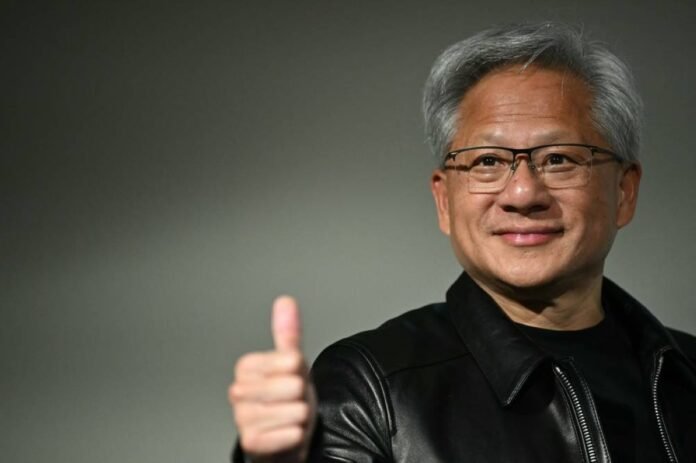
Huang returns as Nvidia’s chief executive after the company’s board consulted senior US officials and reconsidered his departure. Directors voted unanimously Monday to restore his roles as president, CEO and board member, effective immediately, the company said.
The decision came less than two weeks after Huang stepped down amid allegations tied to a former executive at a major Nvidia customer. The board said its discussions gave directors confidence in his leadership, judgment and ability to guide the company. However, Nvidia did not identify the officials it consulted or explain what information they shared.
President Donald Trump welcomed the decision, describing the board’s move as correct and proper. He had urged Nvidia to bring Huang back, calling him exceptionally talented and saying he deserved another opportunity. Trump also said the government had no reason to believe Huang’s return posed a national security risk.
Huang, 63, left the top job on November 12 after reports connected him to Alice Huang, a former executive at Singapore-based Megaspeed. She is not related to the Nvidia co-founder. Megaspeed purchased large quantities of Nvidia chips, and US intelligence agencies reportedly suspected that Alice Huang had passed information to Beijing. Chinese officials have denied the allegations.
Huang said he accepted the board’s decision with humility and renewed commitment. He thanked directors, employees, shareholders and his family, and said he looked forward to returning to work.
Board chair Harvey Jones said directors now consider Huang the right person to lead Nvidia. Jones, formerly chief executive of Synopsys, became Nvidia’s first board chair during the controversy and will remain in that position. Colette Kress, who stepped in as interim CEO, will continue as the company’s chief financial officer.
Meanwhile, an independent board committee will continue investigating whether a foreign intelligence service targeted Huang. Nvidia said he supports the inquiry and has agreed to cooperate. The company has not disclosed when the committee expects to finish its work.
Trump also called for Nvidia to continue reviewing whether its overseas sales comply with US restrictions on advanced chips. Those rules aim to limit China’s access to high-performance processors used to train and operate artificial intelligence systems. Separately, Treasury Secretary Scott Bessent said the administration still needs more information about Nvidia’s international sales of its most advanced chips.
The board’s vote settles Huang’s immediate return to leadership, while questions about the allegations and chip sales remain under review. Huang returns as the company continues its internal investigation and faces scrutiny over how its technology reaches overseas buyers.