
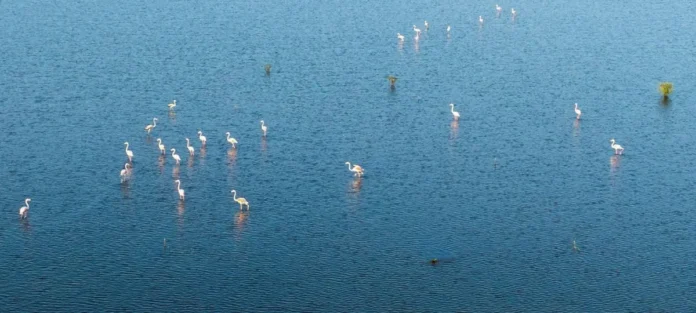
Al-Lith wildlife is drawing attention to the biodiversity of Saudi Arabia’s Red Sea coast, where seasonal flamingos gather near shore. Known locally as fenteer, the greater flamingos wade through shallow water, feed along the coast and sometimes rise together in flight. Their arrival adds to the area’s appeal for visitors interested in nature and marine life.
The birds typically appear in greater numbers during autumn and winter, although some remain along the coast year-round. As tides recede, they find shallow feeding areas where they sift small crustaceans, algae and microorganisms from water and mud. These coastal flats also give migratory birds places to rest during long journeys.
Flamingos gather where food is plentiful, and changing water levels can bring large groups to particular spots. Protecting feeding and resting areas can help reduce disturbance, while regular monitoring can reveal how environmental changes affect migration. These measures matter because healthy coastal habitats support many species beyond the flamingos.
Al-Lith’s islands and surrounding waters also attract dolphins, sea turtles, tropical fish and other migratory birds. Dolphin pods have appeared near local beaches and waterways, where visitors have watched them swim and leap. The sightings offer opportunities for wildlife observation, provided excursions respect animals and their natural environment.
The Four Sisters islands—Marmar, Dohrab, Malatu and Jadir—form an important part of the region’s coastal ecosystem. Their coral reefs and clear waters provide habitat for marine species and contribute to the area’s ecological balance. The islands also offer nesting sites for sea turtles, including green turtles, and stopover areas for seasonal bird migration.
These natural features appeal to divers and visitors hoping to see marine life in its habitat. However, tourism growth depends on protecting fragile reefs, beaches and nesting grounds. Responsible boat trips, wildlife watching, diving and nature photography can connect visitors with the coast while limiting pressure on sensitive areas.
Al-Lith’s natural attractions may also support local businesses through marine services, eco-lodges and other tourism offerings. Such investment could create jobs and strengthen activities linked to the blue economy. Yet, long-term opportunities depend on careful planning and safeguards for the habitats that make the coast distinctive.
The Saudi Red Sea Authority oversees regulations for protecting marine resources and guiding sustainable coastal development. Across the region, Al-Lith wildlife—from flamingos and dolphins to nesting turtles—shows how conservation and tourism are closely connected. Preserving these habitats will help maintain the area’s value for wildlife and visitors alike.