
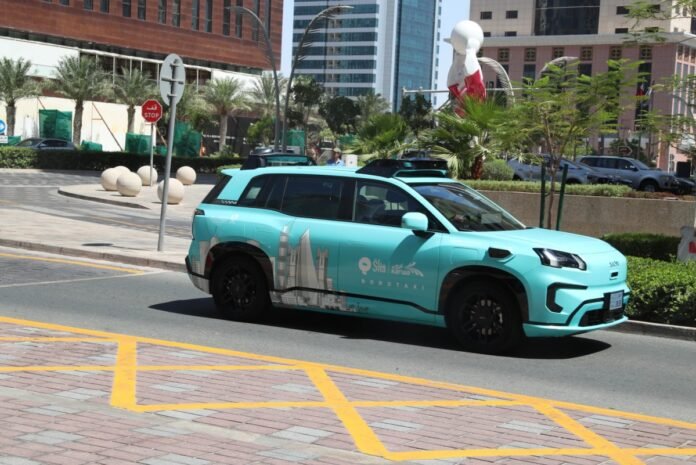
Qatar has started the second phase of testing driverless taxis, moving its electric mobility project toward remote operation. Mowasalat, which operates under the Karwa brand, is conducting the programme with Ministry of Transport oversight. The next stage builds on earlier trials that tested the vehicles’ technical systems and performance on Doha roads.
During the first phase, the project completed about 2,500 journeys with a trained safety officer inside each vehicle. Officials reported that 94 percent of those trips finished without human intervention, alongside positive passenger feedback. Now, however, the second phase removes the onboard safety officer from two autonomous taxis during operations. Instead, staff will monitor the vehicles remotely as they travel along routes approved for testing.
These include journeys between Old Doha Port and The Gate Mall, Souq Waqif and Sheraton Doha Hotel. A third approved route connects the Museum of Islamic Art with the West Bay district. The transport ministry plans to introduce the routes gradually, assessing each one before expanding operations. That stepwise approach allows officials to review safety conditions and system performance in different parts of the city.
Meanwhile, the project gives authorities a chance to assess how remote oversight works in everyday traffic. The vehicles rely on sensors and onboard technology to identify surroundings, follow routes, and respond to road conditions. Earlier reporting described equipment including cameras, radar, and LiDAR sensors in Qatar’s autonomous taxi fleet. The testing programme forms part of Qatar’s broader effort to bring smart transport options into public mobility.
However, the move into remote operation does not mean unrestricted public service has started across the country. Officials have said they will make the service available through the Karwa app after confirming safe deployment. That means the current stage focuses on proving operations under carefully controlled conditions before any wider expansion. For passengers, driverless taxis could eventually offer another way to travel between major Doha destinations.
Still, the service’s broader availability depends on whether the trials meet the necessary safety requirements. The ministry and Karwa have not announced a timetable for opening this phase to all passengers. As testing continues, results may help officials decide how and when autonomous transport can expand. The project also supports efforts to explore lower-emission mobility and modernise Qatar’s public transport network.
For now, driverless taxis remain under evaluation, with approved routes and remote monitoring central to this phase. The coming operational findings will shape the next decisions about public access and future deployment.
