
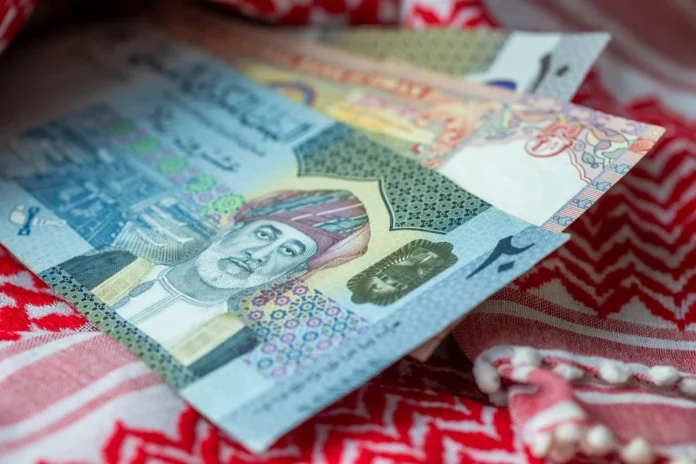
Oman Revenue Growth reached 16 percent during the first nine months of 2026, as higher oil and gas earnings strengthened public finances. Government revenues totalled 9.828 billion Omani rials, equivalent to approximately $25.56 billion. The state budget also recorded a surplus of 90 million rials during the same period.
The Ministry of Finance reported that revenues increased from 8.48 billion rials during the corresponding period in 2025. Meanwhile, public expenditure reached 9.738 billion rials, marking a 9 percent increase from the previous year. Spending had totalled approximately 8.914 billion rials by the end of September 2025.
Despite higher expenditure, government income remained above spending, allowing Oman to maintain its budget surplus. The figures reflect continued efforts to strengthen fiscal sustainability while supporting economic and development priorities.
Oil revenues remained an important contributor to the improvement. Net oil income increased 7 percent, reaching approximately 5.046 billion rials by September 2026. This compared with around 4.710 billion rials during the same period last year.
The average realised oil price reached $81 per barrel, while daily production averaged 1.102 million barrels. In addition, net gas revenues climbed 61 percent to approximately 2.09 billion rials. Gas income had reached around 1.30 billion rials during the first nine months of 2025.
Current revenues also increased, rising 7 percent to 2.61 billion rials. This represented an improvement from approximately 2.45 billion rials recorded a year earlier. Together, these figures demonstrate the contribution of both hydrocarbon income and other government revenue sources.
Government spending also increased across several areas during the reporting period. Current expenditure rose by 394 million rials, reaching approximately 6.62 billion rials. The corresponding figure for the first nine months of 2025 stood at 6.23 billion rials.
Development spending by ministries, civil government units and economic transformation projects reached 1.224 billion rials. This represented 94 percent of the government’s annual development expenditure allocation of 1.3 billion rials. Meanwhile, contributions and other expenditure increased 9 percent to approximately 1.72 billion rials.
Government support also covered social protection programmes, electricity and petroleum products. These allocations reached 486 million, 441 million and 280 million rials, respectively. Additionally, the government transferred 225 million rials towards its designated debt repayment allocation.
Oman also continued processing payments owed to private-sector companies. Payments completed through the financial system exceeded 1.43 billion rials by September’s end. The government said it aims to settle fully documented private-sector dues within five working days, on average.
Meanwhile, public debt declined to approximately 14.1 billion rials by the end of September 2026. This compared with 14.7 billion rials during the corresponding period in 2025. The reduction exceeded 600 million rials, supporting the country’s wider debt management efforts.
These developments form part of Oman Vision 2040, which prioritises fiscal sustainability and economic diversification. The strategy’s implementation report identified several financial indicators that had already achieved their 2030 targets. These included public debt as a share of GDP, the budget balance and the current account balance.
Authorities attributed the progress to fiscal measures introduced through the Financial Balance Plan and Financial Sustainability Programme. Furthermore, improved debt management and the use of budget surpluses helped reduce government liabilities. Officials also highlighted efforts to improve spending efficiency and strengthen public revenue collection.
Oman’s public debt-to-GDP ratio fell from 67.9 percent in 2020 to 34.6 percent in 2025. This decline reduced debt-servicing pressures and created additional room for economic and social investment. Moreover, improved financial indicators supported the country’s international credit standing.
Fitch Ratings upgraded Oman’s sovereign credit rating from BB+ to BBB- in December 2025. The decision restored the country’s investment-grade status, reflecting improvements in fiscal discipline and liability management.
Economic activity also strengthened during the five-year period covered by the Vision 2040 report. Real GDP growth moved from a 3.4 percent contraction in 2020 to 2.4 percent growth in 2025. GDP at constant prices increased from 34.48 billion rials in 2021 to 39.29 billion rials in 2025.
The Eleventh Five-Year Plan, covering 2026 to 2030, represents the next stage of this strategy. Oman aims to build on its financial progress while attracting investment and diversifying economic activity. Key development areas include renewable energy, manufacturing, logistics and tourism.
Overall, Oman Revenue Growth and declining public debt reflect progress in strengthening the country’s financial position. However, maintaining this momentum will require continued fiscal discipline and broader economic diversification. The government aims to balance these priorities while financing future development and social programmes.
