
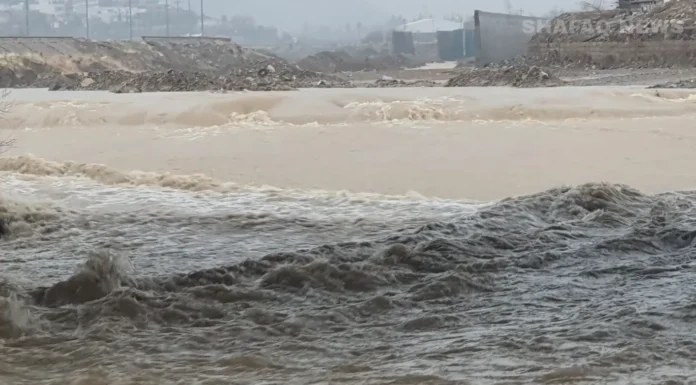
Highway Severed by Floods forced full transit disruptions between Kirkuk and Erbil on Sunday following torrential downpours. Heavy rainfall triggered severe rockfalls along key mountain passes, prompting immediate emergency road closures by traffic authorities. Furthermore, local officials confirmed that maintenance crews must evaluate structural highway stability before reopening lanes to public motorists. Consequently, municipal emergency teams prioritize clearing fallen boulders and waterlogged debris to restore vital interprovincial transport connections.
Meanwhile, regional authorities in Erbil reported extensive property destruction caused by rapid flash flood runoff across urban neighborhoods. Powerful floodwaters inundated hundreds of family residences, commercial shops, and parked personal vehicles within thirty minutes of rainfall. Additionally, local government officials confirmed two tragic fatalities after flood currents swept through eastern residential sectors on Saturday. Therefore, civil defense agencies suspended school classes and advised residents to remain indoors during peak emergency operations.
Furthermore, heavy precipitation impacted several neighboring governorates across northern and central regions throughout the weekend. National meteorological agencies recorded nearly thirty millimeters of rainfall around major municipal centers and regional airport zones. Moreover, flash flooding forced temporary closures along alternative commercial transit routes connecting Saladin governorate and Baghdad on Friday. Consequently, regional transport networks face continuous operational delays while maintenance teams complete urgent drainage repairs.
Additionally, navigating routes impacted by Highway Severed by Floods remains dangerous as weather systems peak over the weekend. Local drivers reported severe vehicle damage after torrential currents carried automobiles hundreds of meters down city streets. Furthermore, emergency response teams deploy heavy equipment to remove mud deposits from critical intersections and residential areas. Therefore, regional traffic management centers maintain active detours to ensure public safety until weather conditions improve.
In conclusion, severe weather patterns highlight urgent needs for enhanced stormwater infrastructure across vulnerable northern governorates. Furthermore, rapid intervention by emergency crews prevents further casualties during unseasonable torrential downpours across affected cities. Moreover, coordinated public safety announcements help residents prepare for potential flash flooding events during heavy storm cycles. Consequently, regional authorities expect transit conditions to stabilize gradually as rainfall intensity decreases on Monday.
