
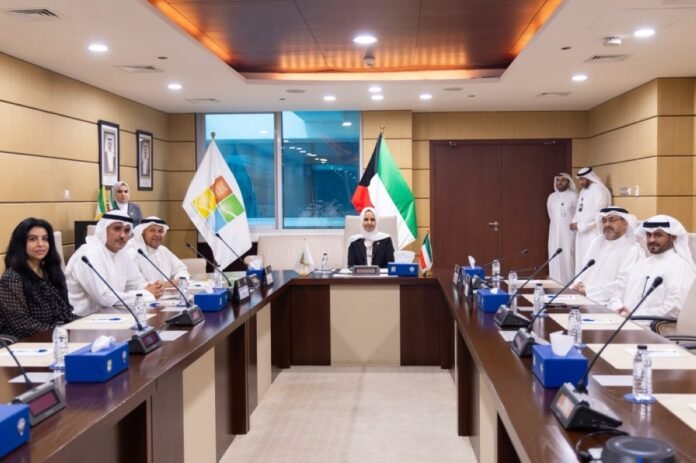
Kuwait is reviewing its climate negotiating strategy and proposed emissions targets ahead of the upcoming COP31 conference in Türkiye. The country’s Supreme Committee for Climate Change examined a draft national position and its third climate pledge covering 2025 to 2035. These preparations aim to align international commitments with Kuwait’s development priorities and environmental objectives.
Minister of State for Development and Sustainability Affairs Dr Reem Al-Fulaij chaired the committee’s third meeting of 2026 on Wednesday. Members discussed preparations for the 31st Conference of the Parties under the United Nations Framework Convention on Climate Change. The conference will take place in Antalya, Türkiye, from November 9 to 20.
During the meeting, officials reviewed Kuwait’s proposed approach to key negotiations under the climate convention, the Kyoto Protocol, and the Paris Agreement. They considered how the country could protect its national interests while contributing to international discussions. Moreover, the committee aims to strengthen Kuwait’s participation across the different negotiating tracks.
Al-Fulaij explained that Kuwait follows an integrated approach to climate action, supported by coordination among government institutions. She said officials must establish clear priorities and connect international climate commitments with national development plans. Consequently, the government wants its participation in COP31 to reflect domestic needs while supporting sustainable development.
The committee also examined the positions of regional blocs and major negotiating groups ahead of the conference. Officials received updates from a recent consultation between the COP31 presidency and participating parties. These discussions covered the proposed agenda, priority climate issues, and expectations for the negotiations’ outcomes.
Another central issue involved Kuwait’s third nationally determined contribution, commonly known as an NDC. This climate pledge outlines emissions reduction commitments and targets for the 2025–2035 period. The committee reviewed the draft document and considered how authorities could measure progress across different economic sectors.
In particular, members discussed a methodology for estimating emissions reductions from planned projects and government initiatives. The proposed framework aims to improve the accuracy of calculations and strengthen monitoring procedures. Furthermore, officials want to connect each target with specific programmes and implementation plans.
Kuwait’s climate pledge represents an important step in translating international commitments into measurable domestic action. Al-Fulaij said the document relies on defined targets, identified projects, and transparent methods for calculating emissions reductions. These elements, she explained, should help authorities assess implementation more effectively and track progress over time.
The approach also seeks to improve accountability by giving national institutions clearer ways to evaluate their climate initiatives. Rather than relying solely on broad commitments, officials aim to establish practical measures that support implementation. This could help Kuwait assess whether individual projects deliver their expected environmental benefits.
The committee’s work forms part of a broader effort to strengthen climate governance and improve coordination among national bodies. In addition, officials aim to establish a unified position on key issues before international negotiations begin. Building agreement across institutions may help the country present clearer priorities during the conference.
As COP31 approaches, Kuwait will continue refining its negotiating position and reviewing its proposed emissions targets. The discussions also reflect the government’s intention to integrate sustainability into national policies, development plans, and projects. Ultimately, officials want climate commitments to support environmental progress while remaining consistent with Kuwait’s wider development objectives.
