
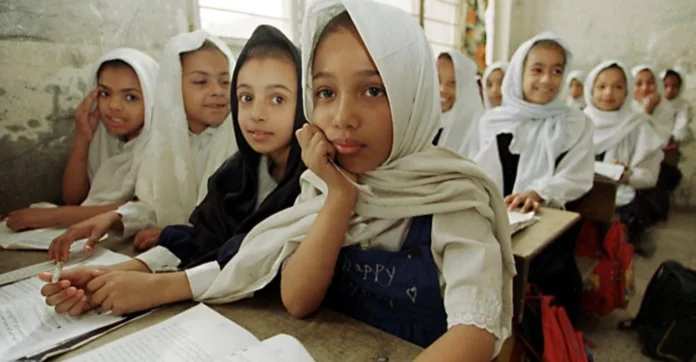
School Hijab Restrictions face firm opposition after Iraqi education authorities formally rejected policies banning headscarves. Ministry officials in Baghdad issued a statement supporting individual liberty and freedom of expression. Furthermore, government leaders stressed that dress codes must reflect fundamental cultural values without prejudice. Consequently, the government confirmed that public schools must safeguard student rights without discrimination.
Meanwhile, international discussions surrounding religious freedom inside academic environments intensified following controversial policy changes elsewhere. Government authorities in Azerbaijan recently implemented strict uniform guidelines to enforce secular principles. Although regulations avoided naming specific garments, administrators turned away covered students at school gates. Therefore, human rights organizations voiced growing concern regarding access to basic education worldwide.
Additionally, Iraqi education officials reiterated that personal appearance choices represent an inherent aspect of liberty. Educational authorities noted that accommodating cultural diversity strengthens social cohesion within national school systems. Furthermore, imposing arbitrary dress mandates compromises fundamental rights and creates unnecessary barriers for students. Consequently, ministry representatives directed administrators nationwide to maintain open, inclusive learning environments for everyone.
Furthermore, public debates concerning School Hijab Restrictions highlight broader friction over secularism and personal liberties. Civil rights advocates argue that mandatory restrictions violate international conventions protecting freedom of thought. Meanwhile, regional observers closely monitor developments as governments navigate domestic secularism laws versus religious rights. Therefore, legal experts continue advocating for educational access free from cultural or religious discrimination.
In conclusion, defending individual liberties remains fundamental to maintaining peaceful social stability across global societies. Furthermore, guaranteeing equal access to education ensures long term development and empowerment for young women. Moreover, international institutions must protect basic human rights against overly restrictive administrative policies everywhere. Consequently, regional governments face mounting expectation to honor fundamental freedoms across all public sectors.
