
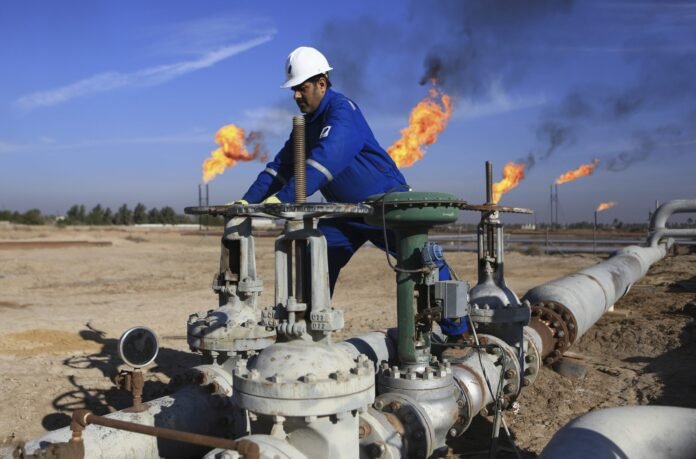
Iraq Oil Exports to China climbed 248% between August and September, reaching 4.84 million tons, according to Chinese customs data. The increase brought Iraqi shipments to approximately 1.18 million barrels per day. However, volumes remained 19% below September last year, highlighting a mixed trend in China’s crude oil imports.
Russia remained China’s largest crude supplier during September, shipping 9.94 million tons. That volume equaled roughly 2.42 million barrels per day, representing a 20% increase compared with the previous year. Nevertheless, Russian shipments fell 11% from August, reflecting changes in monthly import patterns.
Brazil ranked among China’s leading suppliers, delivering 5.15 million tons of crude oil during September. Its shipments reached approximately 1.25 million barrels per day, increasing 18% year on year. Meanwhile, Brazil strengthened its position in China’s wider import market during the first nine months of 2026.
From January through September, Brazil supplied China with 44.29 million tons of crude oil. Saudi Arabia shipped 43.12 million tons over the same period. Consequently, Brazil overtook the Kingdom as China’s second-largest crude supplier during those nine months.
Saudi shipments declined sharply in September, reaching 2.70 million tons. That figure represented approximately 660,000 barrels per day and marked a 62% decrease from the previous year. The reduction contrasted with Brazil’s annual growth and Russia’s higher yearly shipments.
Oman also recorded a significant annual decline in crude deliveries to China. Chinese imports from Oman totaled 1.22 million tons, equivalent to around 300,000 barrels per day. Although volumes fell 54% year on year, they increased 30% compared with August.
Meanwhile, imports from Malaysia dropped considerably during September. China received 1.16 million tons, or approximately 280,000 barrels per day, from the Southeast Asian country. These shipments fell 70% annually and declined 56% from August.
Malaysia serves as a major transshipment hub for oil shipments linked to sanctioned Iran. However, the customs figures alone do not establish the origin of every cargo moving through Malaysian ports. Therefore, the reported decline reflects recorded imports from Malaysia rather than a complete measure of Iranian oil entering China.
Chinese customs data also showed no recorded crude imports from the United States, Venezuela, or Iran during September. The figures matched the same month last year for all three countries. However, the data does not explain the reasons behind the absence of recorded shipments.
The latest figures underline how China’s crude sourcing shifted among major suppliers during September. Iraq recorded a sharp monthly recovery, while Saudi Arabia and Malaysia experienced steep annual declines. Russia maintained its leading position, and Brazil expanded its role in the Chinese market.
For Iraq, the increase in Iraq Oil Exports offers a notable monthly improvement despite the annual shortfall. Still, September’s figures represent one month of trade rather than a confirmed long-term trend. Future customs data will help show whether Iraqi shipments maintain their recent momentum.
Overall, China’s September import figures reveal contrasting movements across its main crude suppliers. Monthly changes differed substantially from annual comparisons, making both measures important for understanding market conditions. Iraq’s next export figures will indicate whether the recovery continues into subsequent months.
