
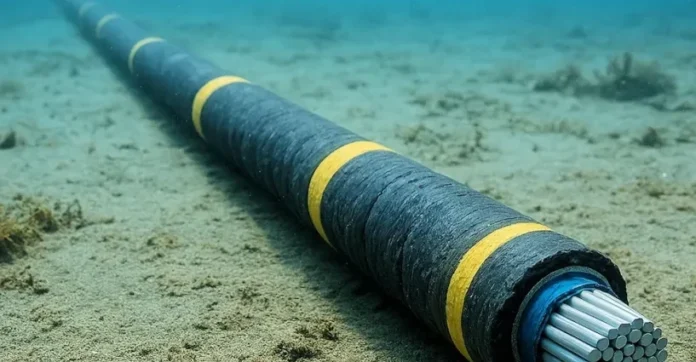
The undersea cable threat has raised concerns about the security of digital infrastructure across the Gulf, including Iraq’s internet connectivity and essential online services. Iranian officials have warned that undersea cables, data centres, and artificial intelligence facilities could become targets if military conflict resumes. These statements have drawn attention to the region’s dependence on digital networks and the potential consequences of disrupting them.
Mohsen Rezaei and Hossein Shariatmadari were among the Iranian figures who issued warnings involving critical digital infrastructure. Their statements highlighted the possibility that communications networks and technology facilities could face risks during renewed hostilities. Consequently, regional observers have considered how such disruptions might affect countries that rely on cross-border data connections.
For Iraq, the issue carries particular importance because digital connectivity supports financial services, government operations, online businesses, and communications. Undersea cables carry large volumes of international data and help connect national networks with global internet infrastructure. Damage to these systems could therefore affect several sectors simultaneously, depending on the location and severity of any disruption.
Experts have discussed the possible consequences for Iraq and neighbouring countries. Saleh al-Qazwini, Firas Elias, Haitham Numan, and Ahmed al-Sharifi have examined concerns surrounding regional security and digital infrastructure. Their discussions reflect the importance of understanding how threats to communications networks could influence everyday services and broader economic activity.
Banks, e-commerce platforms, government institutions, and oil-export systems increasingly depend on reliable digital connections. If international connectivity deteriorated, businesses could experience delays, while some online services might become slower or temporarily unavailable. However, the actual impact would depend on which cables or facilities were affected and whether alternative routes remained operational.
Iraq has also taken steps to strengthen its regional digital connections. In September, the country signed an agreement with Qatar’s Ooredoo to support the transit of Gulf data towards Europe. Such arrangements highlight the importance of regional partnerships in expanding connectivity and providing routes for international data traffic.
Nevertheless, dependence on interconnected networks can create vulnerabilities when critical infrastructure faces disruption. The undersea cable threat illustrates why countries need to consider network resilience, alternative connections, and effective coordination with neighbouring states. Maintaining reliable digital services requires attention not only to physical infrastructure but also to the systems that support essential communications.
A previous incident demonstrated how cable damage can affect connectivity across a wide area. In September 2025, two undersea cables were cut near Jeddah, slowing internet services across parts of the Middle East and South Asia. The incident showed that damage in one location can affect users far beyond the immediate area, depending on network routing and available alternatives.
For Iraq, these concerns underline the value of infrastructure planning and cooperation with regional partners. Alternative data routes, network redundancy, and contingency arrangements can help reduce dependence on individual connections. At the same time, protecting digital infrastructure remains a regional challenge because international networks cross borders and connect multiple countries.
The undersea cable threat has therefore become part of a wider discussion about regional security and economic stability. While warnings do not necessarily mean that attacks will occur, they highlight the potential consequences of targeting infrastructure that supports daily life and commercial activity. Iraq’s ability to maintain reliable connections will remain important for public services, business operations, and its growing digital economy.
