
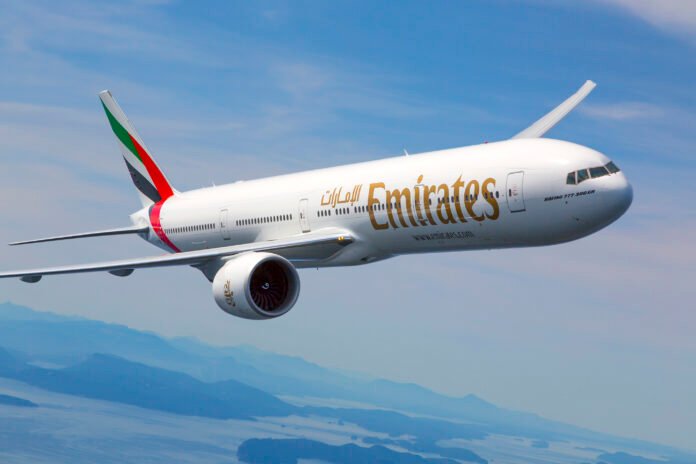
UAE airfares could remain elevated through much of 2026 as regional disruptions continue affecting aviation capacity. A new analysis warns that higher fuel expenses and altered routes could prolong pricing pressures. Furthermore, reduced flight availability may keep fares above levels airlines previously expected before the conflict. Under a relatively favorable scenario, global ticket prices could remain 5% to 10% higher.
The UAE sits within one of the world’s most important international aviation corridors connecting major global markets. Gulf hub airports handle approximately 14% of worldwide transit traffic, according to the analysis. Moreover, roughly one-fifth of Europe-Asia journeys typically connect through airports across the Gulf region. Consequently, disruptions can affect both regional travellers and passengers making long-distance connections.
Dubai and Abu Dhabi therefore face exposure beyond flights directly connecting the UAE with neighboring countries. International passengers often use these airports when travelling between Europe, Asia, and other major destinations. As a result, restrictions affecting Gulf airspace can create wider consequences for international airline networks. Longer journeys can also increase fuel consumption and operating expenses for carriers.
Airlines face several pressures simultaneously as they navigate changing regional security conditions and restricted airspace. For example, carriers may need to follow longer flight paths around affected areas. Additionally, reduced capacity can limit available seats while increasing operational costs for remaining services. Consequently, passengers may continue paying more even after immediate security conditions begin improving.
Fuel markets represent another major factor behind continued pressure on airfares across the region. Disruptions affecting energy shipments through the Strait of Hormuz have contributed to higher oil prices. Meanwhile, jet fuel costs have increased because refining margins and supply concerns remain significant. Therefore, airlines may continue passing some additional expenses through ticket prices.
The analysis examined numerous international crises over two decades to identify recurring tourism patterns. It found that destinations preparing before disruptions generally recover considerably faster afterward. Moreover, authorities and tourism businesses can protect traveller confidence through stronger contingency planning. This approach becomes particularly important when crises involve several countries and transportation systems simultaneously.
Middle Eastern aviation has already experienced substantial reductions in international capacity during the current disruption. Industry figures cited in the analysis showed capacity nearly 40% lower during April. Passenger demand also declined by almost half compared with the same period previously. Consequently, airlines have reduced services while reassessing demand, profitability, and operational risks.
Gulf aviation faces additional challenges because regional airports serve as major international connecting points. When carriers divert aircraft around affected airspace, journeys can become longer and more expensive. Furthermore, airlines may need additional aircraft time and fuel to maintain existing schedules. These factors can eventually affect ticket availability and pricing across important routes.
Several possible scenarios could shape international travel during the remainder of 2026. Under a sustained ceasefire, global travel could grow by approximately 6% during the year. However, renewed hostilities could reduce growth to around 1%, according to projections. Under prolonged disruption, global travel could decline by approximately 3%, extending weakness into 2027.
Even under improved security conditions, Gulf aviation may require considerable time to restore previous connectivity levels. Airlines typically need time to rebuild capacity, restore routes, and adjust operational schedules. Therefore, passengers should not expect immediate fare reductions following any improvement in regional conditions. Existing bookings, fuel arrangements, and aircraft deployment decisions can delay market adjustments.
Longer disruptions could also influence airline network strategies beyond the immediate crisis period. If carriers establish alternative routes, they may eventually incorporate those routes permanently into their networks. Consequently, Gulf hubs could face stronger competition from alternative international connection points. This possibility could become particularly important for Dubai’s position as a major global transit hub.
The disruption has already affected airline schedules and future bookings across major Gulf airports. Carrier flight volumes declined sharply compared with the previous year during the spring period. Meanwhile, forward bookings through major Gulf hubs also fell significantly for later quarters. Airlines have consequently balanced security concerns with commercial decisions about route profitability.
Some carriers have reduced services on routes with weaker demand and lower passenger yields. Therefore, schedule reductions do not always result exclusively from direct security restrictions. Instead, airlines may also protect profitability while uncertainty makes demand forecasting increasingly difficult. This strategy could further reduce available seats and contribute to continued fare pressure.
UAE travellers may consequently adjust their habits if elevated fares continue for several months. Some passengers could prioritize regional destinations, domestic trips, or cheaper travel periods. Moreover, travellers may book later while placing greater importance on flexible tickets and refund options. Real-time information could also become increasingly valuable when schedules remain vulnerable to sudden changes.
UAE airfares ultimately depend on several factors extending beyond immediate security developments across the region. Fuel prices, aircraft availability, airspace restrictions, passenger demand, and airline network decisions all matter. Furthermore, the effects of prolonged disruption could continue after conditions improve on the ground. For travellers, that means higher prices may persist even as aviation gradually returns toward normal operations.
