
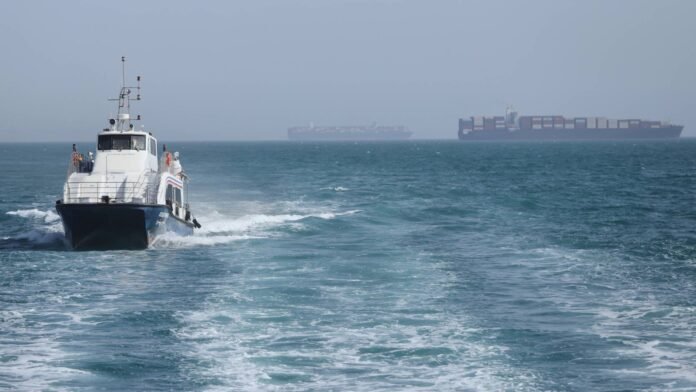
The Strait of Hormuz crisis intensified after a series of attacks targeted ships and infrastructure across the Gulf. Reports indicated that suspected Iranian strikes hit vessels in the strategic waterway and caused damage in nearby areas. The escalation drew immediate global attention due to the strait’s role in international energy transport. As the Strait of Hormuz crisis deepens, concerns over security and stability continue to rise.
Tensions increased after incidents involving both military and commercial vessels. Iranian forces reportedly engaged a US warship approaching the strait, prompting it to withdraw. While initial claims suggested a direct hit, officials later described the exchange as warning fire. Meanwhile, US military sources stated they destroyed several small boats during the encounter, though Iran denied this account.
The situation also affected commercial shipping in the region. South Korea reported that one of its ships suffered damage following an explosion and fire inside the strait. British maritime authorities confirmed that additional vessels faced attacks near the coast of the United Arab Emirates. In response, Emirati officials reported a fire at an oil port in Fujairah, further highlighting the scale of the disruption.
The Strait of Hormuz crisis also impacted neighboring countries beyond maritime activity. In Oman, an incident in the coastal area of Bukha injured two people after a residential building sustained damage. Local authorities confirmed material losses, including damaged vehicles and nearby property. These developments underscored how the tensions extend beyond the waterway itself.
The United States responded by launching a new naval mission aimed at ensuring safe passage through the strait. The operation seeks to guide commercial vessels through restricted waters and maintain shipping flows. However, early results showed limited movement of merchant ships, raising questions about the mission’s effectiveness. Iranian officials warned that any foreign military presence in the area could face direct confrontation.
Regional reactions quickly followed the incidents. Kuwait strongly condemned attacks on commercial vessels, describing them as threats to maritime security. Officials emphasized that such actions violate international law and risk destabilizing global supply chains. The United Arab Emirates also expressed concern and stated its right to respond to any further escalation.
The Strait of Hormuz remains one of the world’s most critical shipping routes. Any disruption there can affect global oil markets and international trade flows. Analysts warn that continued escalation could increase energy prices and heighten geopolitical tensions. As the situation evolves, governments and industry leaders closely monitor developments across the region.
