
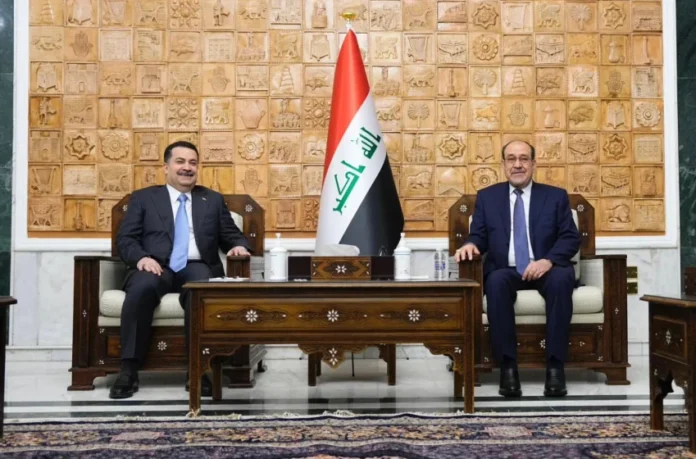
The Iraq government formation crisis has deepened after political leaders failed to meet the constitutional deadline for nominating a new prime minister. The delay marks a second major breach of constitutional timelines this year. Political blocs continue negotiations while tensions rise over power-sharing and candidate selection. The situation has intensified uncertainty in Baghdad’s already fragile political landscape.
The Coordination Framework, a major political alliance, did not present a candidate within the required 15-day period. This failure triggered renewed debate over constitutional interpretation and political responsibility. Some groups argue that weekends should not count toward the deadline. However, legal precedents suggest the timeline begins immediately after the presidency is confirmed.
The Iraq government formation crisis follows an earlier delay that lasted more than two months before the presidency was settled. That previous deadlock already slowed the formation of key state institutions. Analysts now warn that repeated delays may weaken public trust in the political system. Meanwhile, discussions continue behind closed doors among major political factions.
Political sources indicate that a compromise candidate may emerge soon. Negotiators from within the ruling bloc continue efforts to bridge differences between competing leaders. The focus has shifted toward finding a figure acceptable to all major parties. This approach aims to prevent further institutional paralysis.
Some political leaders argue that delays reflect normal parliamentary processes. They point to other countries with lengthy government formation periods. They also emphasize the importance of selecting a candidate who meets political and religious acceptance standards. This group insists that stability matters more than strict adherence to deadlines.
At the same time, other officials push for faster action. They warn that prolonged uncertainty could damage governance and public services. Calls for urgency have grown stronger as administrative delays begin to affect decision-making. Parliament has also extended its session to encourage faster progress.
The Iraq government formation crisis remains centered on disagreements within the Coordination Framework. Internal divisions continue over key candidates and power distribution. Although some leaders still support established political figures, others push for alternative names. Discussions remain ongoing with no final agreement announced.
Observers expect negotiations to continue in the coming days. Political leaders now face pressure to resolve the deadlock quickly. The outcome will determine whether Iraq moves toward stability or enters another extended period of uncertainty.
