
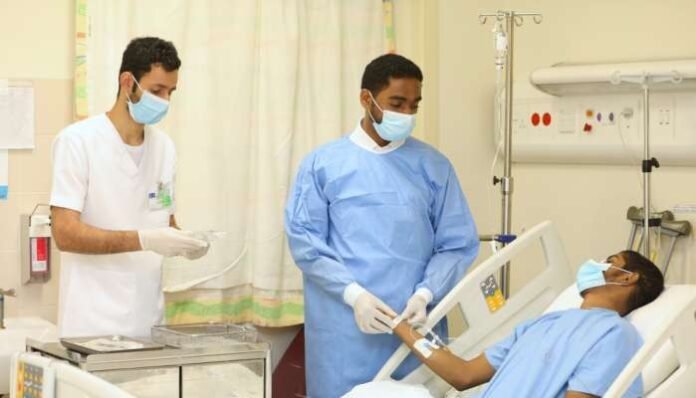
The GCC nursing workforce growth reflects steady expansion in healthcare staffing across the Gulf region. Countries continue investing in medical systems to meet rising demand for services. New data shows consistent increases in nursing numbers over the past decade. Oman also reports strong progress in expanding its national healthcare workforce.
According to recent health statistics, the Gulf Cooperation Council countries recorded continuous growth in nursing staff between 2014 and 2024. The annual increase reached around 4.6 percent during that period. Officials link this trend to ongoing healthcare development plans across the region. The expansion supports hospitals, clinics, and public health programs.
In Oman, the nursing sector has grown significantly over recent decades. Health ministry figures show more than 23,000 nurses currently working in the country. This marks a sharp rise compared to the early 1980s, when numbers stood slightly above 1,000. The growth highlights long-term investment in medical education and workforce planning.
The GCC nursing workforce growth also appears in regional statistics. The total number of nurses across GCC countries reached over 413,000 by the end of 2024. This increase reflects both population growth and expanding healthcare services. Over the past ten years, the region added around 150,000 nursing professionals.
Nurses now make up nearly one-third of the total healthcare workforce in the GCC. Their role remains essential in hospitals and primary care centers. Public sector facilities employ the majority of nurses, showing continued reliance on government healthcare systems. At the same time, private healthcare continues to expand in several member states.
Another trend shows gradual progress in national workforce participation. The share of GCC nationals in nursing roles has increased slightly in recent years. Policymakers continue encouraging citizens to enter healthcare professions. Training programs and educational initiatives support this long-term goal.
Women continue to represent a large majority of the nursing workforce. Their presence reflects global patterns in healthcare employment. Meanwhile, the region’s nurse-to-population ratio remains higher than the global average. This suggests relatively strong access to medical care in GCC countries.
The GCC nursing workforce growth highlights the region’s focus on strengthening healthcare systems. Officials expect continued investment in training, recruitment, and infrastructure. As demand for healthcare rises, nursing will remain central to service delivery. The trend also supports broader goals of improving public health outcomes across the region.
