
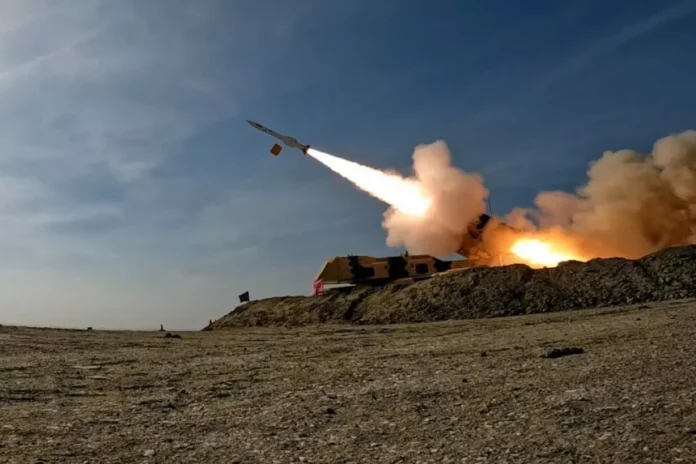
Saudi Arabia missile defense successfully intercepted seven ballistic missiles targeting the Eastern Region early Wednesday, reinforcing the kingdom’s energy security. The Saudi Defence Ministry confirmed the destruction of all missiles while assessing potential damage from falling debris near industrial zones.
The strikes occurred amid heightened tensions across West Asia, where attacks on energy infrastructure are raising global concerns. Thick smoke rose over Al Jubail, Saudi Arabia’s largest industrial hub and one of the world’s most important petrochemical centers. Emergency crews worked quickly to contain a major fire caused by missile debris.
Authorities ordered partial evacuations and suspended nearby industrial operations to prevent any chain reaction affecting oil and gas facilities. Reports indicated that at least one missile may have detonated near critical infrastructure, emphasizing the urgency of continued vigilance.
The Saudi missile defense system proved crucial in limiting damage and safeguarding vital energy infrastructure, which remains central to the global supply chain. Jubail hosts major refineries, chemical plants, and Aramco-linked facilities producing vast volumes of refined products and petrochemicals daily.
Regional developments further escalated after Israel conducted airstrikes on Iran’s South Pars gas field in Asaluyeh, targeting the country’s largest gas facility. These operations raised fears of retaliation and disruptions to international energy markets.
US President Donald Trump warned of potential strikes on key Iranian infrastructure if Tehran did not lift its blockade of the Strait of Hormuz. The president set a deadline of April 7, 8 pm ET, pressuring Iran to negotiate. Iran responded with threats to target energy assets in Gulf countries if hostilities intensified.
Saudi Arabia missile defense demonstrates the kingdom’s preparedness amid increasing regional volatility. Coordinated defense efforts and rapid emergency responses helped prevent catastrophic damage and stabilized operations across the Eastern Region.
The incident highlights broader concerns about energy security and geopolitical stability in the Gulf. It also underscores the risks of escalation, where any misstep could disrupt oil markets and affect global energy prices.
Saudi authorities continue monitoring threats while coordinating with international partners to maintain security and protect critical infrastructure.
