
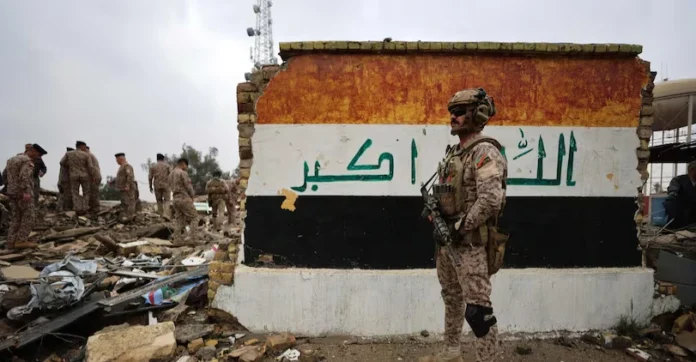
Armed groups in Iraq are undermining the government’s control and international reputation. These armed groups in Iraq have carried out repeated attacks on oil installations, military sites, and diplomatic missions. Consequently, Baghdad faces growing pressure to restore stability.
The Foreign Minister, Fuad Hussein, warned that some armed factions operate autonomously. They launch strikes without coordination, which fuels violence and uncertainty. Hussein stressed that such actions challenge the government’s ability to safeguard civilians and international interests.
He highlighted that the United States only intervenes if provoked. Nonetheless, attacks on oil facilities in the Kurdistan region triggered retaliatory responses. These incidents illustrate the fragile security environment Iraq now faces.
Since February, Iraq has been a flashpoint in regional tensions involving Iran, the United States, and Israel. Iran-aligned groups, known as the Islamic Resistance in Iraq, have targeted US military assets and foreign installations. In return, US and Israeli forces conducted targeted strikes on Popular Mobilization Forces positions, causing significant casualties.
The ongoing cycle of attacks emphasizes the urgency for Baghdad to reassert authority. Analysts note that Iraq’s handling of armed groups in Iraq will determine its regional stability and global image. Diplomatic missions remain on high alert, while local authorities strengthen security measures around critical infrastructure.
Experts warn that without decisive action, further escalations could occur. Armed groups in Iraq exploit gaps in oversight, creating risks for civilians and international personnel. Authorities are expected to enhance coordination, deploy additional security, and reinforce monitoring across hotspots.
The conflict has broader implications for Iraq’s relations with foreign partners. Countries are increasingly cautious about engaging in projects or operations without assurances of protection. Meanwhile, the Iraqi government pledges continued vigilance, aiming to prevent future attacks and rebuild trust with the international community.
