
Kuwait emergency measures continue to shape daily life as authorities respond to evolving security conditions after Eid. Officials introduced several steps to maintain safety while ensuring services continue across the country.
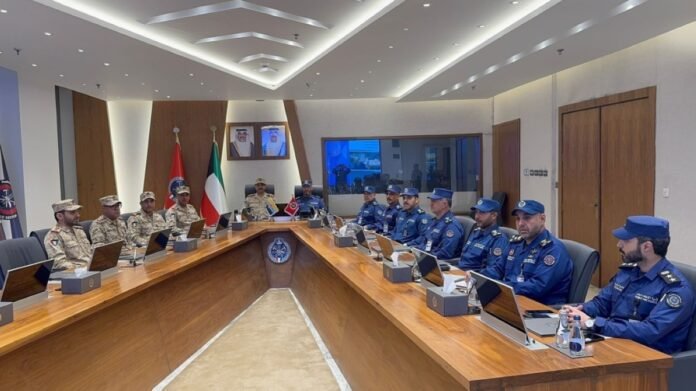
First, security forces reported active operations to protect key sites. The National Guard confirmed it shot down seven drones near secured locations. Moreover, it coordinated closely with the army, police, and fire services to maintain high alert levels. These actions aimed to prevent threats and strengthen national security.
At the same time, defense authorities confirmed that air defense systems continue intercepting incoming missiles and drones. Officials clarified that recent explosions resulted from successful interceptions. Therefore, they urged residents to follow safety guidelines and remain cautious.
In addition, authorities reassured the public about environmental safety. Specialized teams continue monitoring radiation and air quality across Kuwait. So far, all readings remain within normal limits. Officials also encouraged people to rely on trusted sources and avoid spreading rumors.
Meanwhile, the government introduced new workplace policies after Eid. Public sector offices will operate at only 30 percent capacity. Furthermore, institutions will rotate staff and reduce daily working hours. Employees will work six hours per day, while evening shifts remain suspended.
Additionally, authorities expanded remote work options wherever possible. These steps aim to reduce crowding and ensure continuity of operations. As a result, Kuwait emergency measures now directly affect how employees perform their duties.
In the education sector, distance learning will continue if conditions remain unchanged. The Ministry of Education emphasized improving digital platforms such as Microsoft Teams. Officials also plan to enhance technical readiness and address online challenges. At the same time, they will monitor student progress and provide psychological support.
Furthermore, leadership inspected healthcare readiness across the country. Officials reviewed emergency plans, shelter facilities, and supply reserves. They praised medical staff for maintaining services under pressure. These preparations ensure the healthcare system remains fully operational.
Regionally, support for Kuwait continues to grow. United Arab Emirates and Yemen condemned a foiled attack targeting Kuwait. Both countries expressed solidarity and praised the efficiency of Kuwaiti security forces. This support highlights the importance of regional cooperation.
Moreover, coordination between emergency agencies remains strong. Security and fire service leaders continue joint efforts to improve readiness. These steps help protect lives and maintain stability during uncertain times.
In the aviation sector, airlines adjusted operations to meet current conditions. Travelers must now complete procedures at designated locations before departure. Flights continue through alternative routes to ensure continuity.
Kuwait emergency measures also include restoring essential services. Authorities confirmed that digital government platforms now operate fully again. Citizens can complete transactions online without visiting offices.
Kuwait emergency measures demonstrate a flexible and coordinated response. Authorities continue balancing safety with daily operations. Kuwait emergency measures will likely remain in place as officials monitor developments closely.
