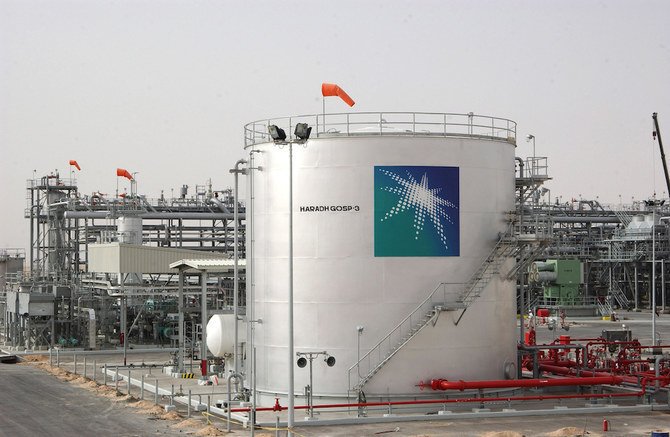
The Aramco oil warning comes as the company highlights serious risks to global markets if the Strait of Hormuz remains disrupted. Saudi Aramco, the world’s largest oil exporter, warned that continued disruption could trigger catastrophic consequences for shipping, energy, and international trade. The company emphasized that reopening the strait is crucial to avoid severe economic ripple effects. By issuing this Aramco oil warning, the firm underscored the urgency for stability in one of the world’s most important energy corridors.
During a press conference, CEO Amin Nasser explained that the impact of disruption extends beyond shipping and insurance. He added that aviation, agriculture, automotive, and industrial sectors would all feel severe consequences if the crisis persists. Global oil inventories are at their lowest levels in five years, further heightening the risk of shortages. The longer the strait remains blocked, the more intense the effects on the global economy will become.
Aramco also addressed a small fire at its Ras Tanura refinery last week, the largest in Saudi Arabia. The company quickly contained the fire, and operations are now restarting. Nasser reassured investors that safety protocols functioned effectively and that refinery output will resume normal levels shortly. Meanwhile, the company’s annual profits fell 12 percent due to lower crude prices. Despite this, Aramco announced a share buyback plan of up to $3 billion, marking its first-ever repurchase program.
The Aramco oil warning comes amid heightened geopolitical tensions. Iran’s Revolutionary Guard threatened to stop oil shipments from the region if US and Israeli operations continued. In response, US officials warned of harsher consequences for any attempts to block Middle East energy exports. Analysts say that any prolonged disruption could destabilize global energy markets and trigger cascading effects across multiple industries.
Furthermore, Nasser emphasized that prompt resolution of shipping disruptions in the Strait of Hormuz remains critical. He urged stakeholders to act quickly to prevent further declines in oil inventories. Global markets are closely monitoring Aramco’s statements, recognizing the company’s role in stabilizing worldwide energy supply.
Overall, the Aramco oil warning highlights the fragility of global oil markets during geopolitical crises. Investors and governments must consider the potential economic fallout if energy flows from the region are interrupted. Aramco continues to prioritize safety, operational stability, and shareholder confidence as global risks increase.