
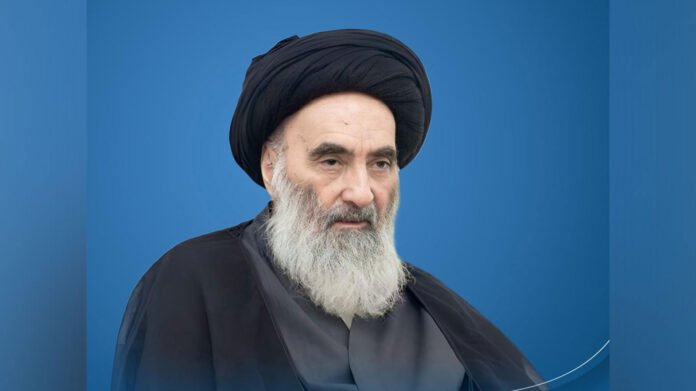
Sistani fatwa ruling urges Iraqis to show collective support for Iran amid growing regional hostilities. Millions of Shiite followers consider Sistani fatwa a guiding principle for public solidarity and action. Grand Ayatollah Ali al-Sistani issued the fatwa during escalating tensions involving the United States and Israel targeting Iran militarily.
The religious directive encouraged Muslims to gather in public squares to demonstrate loyalty toward the Islamic system. It emphasized that maintaining the system’s stability requires broad public participation and visible solidarity among citizens. Sistani fatwa ruling described such participation as a collective religious duty during sensitive regional circumstances.
Sistani issued the fatwa in response to questions about public gatherings in mosques and streets aimed at resisting sabotage attempts. He instructed that demonstrations should prevent despair, protect public property, and maintain moral and social stability. The ruling also urged citizens to frustrate enemies’ attempts to weaken institutions and spread chaos in Iraq.
Grand Ayatollah Sistani’s influence extends beyond religious guidance into symbolic leadership for Iraq’s Shiite population. His 2014 fatwa calling for defense against ISIS led to the creation of the Popular Mobilization Forces, which significantly supported the Iraqi army. Many observers note that this latest Sistani fatwa ruling could mobilize significant public support for Iran.
The ruling comes amid heightened regional conflict following US and Israeli attacks on Iran that began on February 28. These strikes reportedly killed hundreds, including Iran’s Supreme Leader Ayatollah Ali Khamenei and senior security officials. In response, Iran launched missile and drone strikes targeting Israel, Gulf countries, Jordan, and Iraq.
Several attacks caused civilian casualties and damage to infrastructure, raising concerns across the region. Arab nations have condemned the escalation, urging restraint and warning against further conflict that could destabilize the Middle East. Sistani fatwa ruling, however, frames public demonstrations as a necessary act to uphold the Islamic system’s values.
Analysts emphasize that the cleric’s rulings carry immense weight in shaping public behavior and regional politics. By calling for visible support for Iran, Sistani fatwa ruling reinforces Shiite solidarity while potentially influencing Iraq’s broader political alignment. Regional observers now watch closely for how the Iraqi population responds to the cleric’s directive.
Sistani fatwa ruling reflects the cleric’s continued role in guiding social and political action during crises. His influence remains pivotal in shaping Iraq’s internal cohesion and responses to escalating regional military tensions.
