
Recent nutrition research emphasizes the importance of protein in daily diets, recommending roughly 1.2 to 1.6 grams per kilogram of body weight for adults. This is nearly double the previous minimum.
Experts suggest that distributing protein across meals improves absorption, supports muscle growth, and helps people feel full longer. Including protein at each meal is more effective than consuming it all at once.
Nutritionists also stress the importance of balancing protein with vegetables, grains, and fiber. Individual protein needs vary depending on age, activity level, health conditions, and genetics. Consulting a healthcare professional helps determine the right amount.
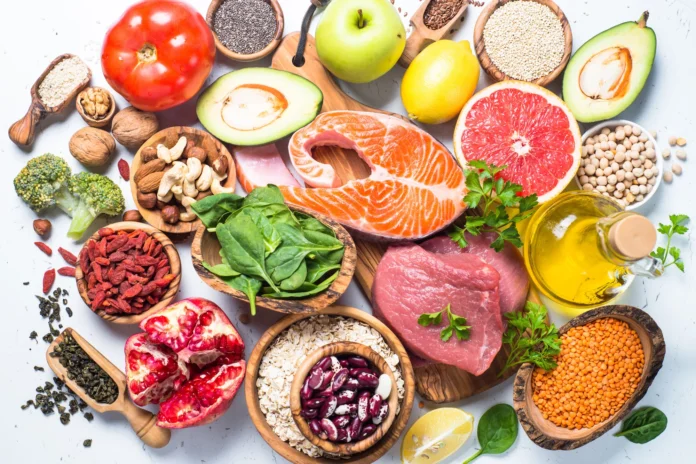
Variety in protein sources is crucial. Experts recommend both animal and plant-based options, including fish, poultry, meat, eggs, dairy, legumes, nuts, seeds, and lentils. A mixed diet ensures all essential amino acids are included.
Some nutritionists warn against overemphasizing foods high in saturated fat, such as butter, red meat, and full-fat dairy. Research shows that replacing saturated fats with plant-based unsaturated fats can lower cholesterol and reduce heart disease risk.
Core principles of a healthy diet remain unchanged. People should eat plenty of fruits and vegetables, choose whole grains, promote fiber and gut health, limit ultra-processed foods, reduce sugar and salt intake, and choose healthy fats.
Finally, experts emphasize that maintaining a healthy diet is about sustainable habits, not perfection. Individuals should select meals that suit their taste, culture, and budget, without guilt or stress.
By focusing on balanced meals, varied protein sources, and practical habits, people worldwide can meet their nutritional needs while supporting overall health and wellbeing.
