
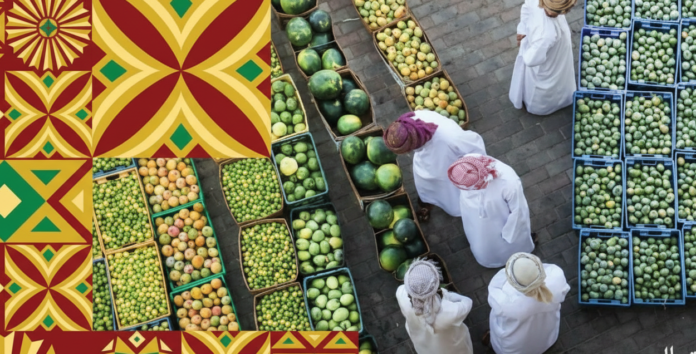
The municipality of Al Buraimi has launched the Al Buraimi Central Market visual identity as part of a wider urban development effort. The initiative aims to modernize traditional markets while protecting cultural heritage. At the same time, officials seek to strengthen the market’s economic and social role.
The launch reflects a clear strategy to upgrade public spaces across the governorate. Moreover, the municipality wants to improve the overall urban image of the city. Therefore, the new visual direction focuses on order, beauty, and functionality.
Officials explained that the project follows an integrated development vision. In addition, it targets higher standards for public facilities and commercial areas. The municipality believes organized markets attract more visitors and businesses. As a result, the local economy can grow steadily.
The new design draws inspiration from Al Buraimi’s architectural heritage. Specifically, it reflects elements found in Omani castles and forts. Traditional wooden door engravings also influence the visual language. Furthermore, geometric patterns rooted in local architecture shape the overall look.
At the same time, the visual identity highlights the region’s natural environment. Designers included references to oases, palm trees, and aflaj water channels. Historically, these features supported daily life and economic activity. Consequently, the design connects commerce with nature and history.
The municipality emphasized balance throughout the project. On one hand, the identity respects tradition and cultural symbolism. On the other hand, it embraces modern design principles. Repeating geometric patterns add rhythm and meaning across visual elements.
Color choices also play a major role in the new identity. Designers selected tones inspired by Al Buraimi’s landscape. These colors reflect stability, fertility, and commercial vitality. Therefore, the market now presents a unified and recognizable appearance.
The Al Buraimi Central Market visual identity extends across many spaces. It appears on shop fronts, walkways, and public areas. In addition, it shapes promotional materials and digital platforms. This consistency strengthens the market’s brand and visitor experience.
Municipal leaders believe the new look will improve business confidence. Moreover, traders can benefit from a more attractive environment. Visitors may also spend more time exploring the market. As a result, economic activity could increase.
The project also supports tourism goals within the governorate. Traditional markets often serve as cultural landmarks. Therefore, enhancing their identity helps preserve local character. At the same time, it meets modern expectations.
Officials described the initiative as a long-term investment. They see design as a tool for economic development. Furthermore, they consider visual identity essential for competitive urban spaces.
Overall, the Al Buraimi Central Market visual identity represents a strategic step forward. It blends heritage, nature, and innovation into one cohesive vision. Through this approach, Al Buraimi aims to strengthen both culture and commerce.
