
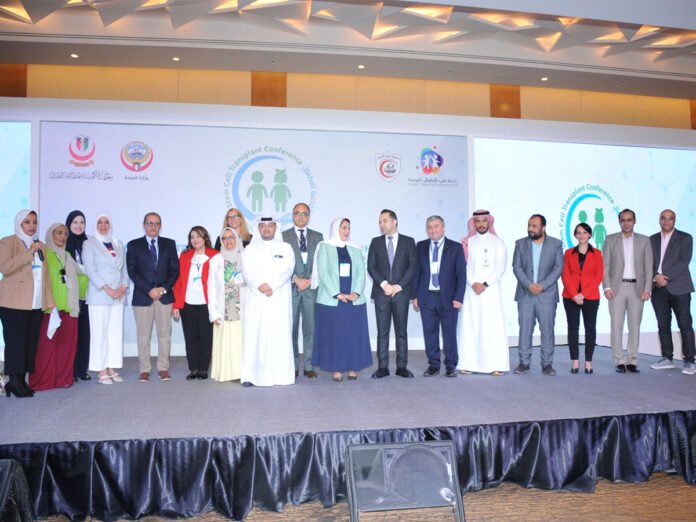
Kuwait highlighted its commitment to healthcare innovation at the Fifth Conference on stem cell and gene therapy for children. The Ministry of Health organized the two-day event, bringing together regional and international experts. Officials focused thonat the conference reflects Kuwait’s dedication to improving pediatric care while keeping children’s well-being a national priority. Moreover, the event provides a platform to share advancements, practical applications, and future strategies in modern medicine.
The conference showcased Kuwait’s achievements in stem cell transplantation programs for children. Medical teams successfully completed around 97 transplant cases, adhering to international standards. This demonstrates the expertise of the country’s medical, nursing, and technical staff. Additionally, institutional support from the Ministry of Health ensures high-quality care and ongoing development of advanced therapies. These efforts make Kuwait a regional hub for pediatric cellular and gene treatments.
Experts at the conference discussed global advancements in stem cell and gene therapy for children, highlighting its impact on treating hereditary blood disorders, immunodeficiency conditions, and complex tumors. The program featured over 40 lectures from more than 35 speakers representing leading centers in Europe, the United States, the United Kingdom, and Gulf countries. Presentations covered topics such as CAR-T therapy, T-cell manufacturing, cell therapies, innovations in gene therapy, stem cell transplantation strategies, and post-transplant care.
In addition, the conference included hands-on workshops designed to develop practical skills. Participants learned to enhance rapid diagnostic capabilities and medical simulation for children. These workshops encourage knowledge transfer and strengthen clinical expertise. They also provide professionals with tools to translate theoretical knowledge into effective patient care, ensuring better treatment outcomes and improved quality of life.
Officials also stressed that gene therapy remains a strategic priority for Kuwait. The country is working to make advanced treatments available locally while ensuring strict safety and quality standards. Coordinated efforts across multiple levels aim to integrate these therapies into national healthcare services efficiently. Through collaboration and innovation, Kuwait continues to position itself at the forefront of pediatric care in the region.
Finally, the Ministry of Health confirmed that the conference fosters international collaboration and scientific dialogue. By focusing on stem cell and gene therapy for children, Kuwait reinforces its role in advancing medical research, improving pediatric treatment, and sharing expertise worldwide. The event marks another step toward enhancing healthcare excellence and preparing the next generation of specialists in advanced pediatric therapies.
