
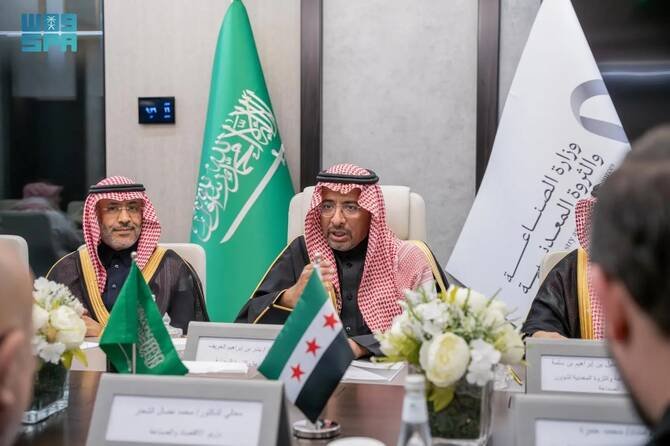
Saudi Arabia and Syria opened a new chapter in economic dialogue by focusing on industrial investment partnerships during high-level talks in Riyadh. The meeting highlighted shared ambitions, regional cooperation, and mutual development goals.
Officials from both countries met in Riyadh on December 16 to discuss stronger economic relations. The talks centered on industry, trade, and long-term cooperation strategies. Moreover, both sides stressed the importance of practical collaboration rather than symbolic agreements.
Saudi Arabia emphasized the value of regional economic integration during the discussions. At the same time, Syria showed interest in learning from Saudi industrial development experiences. As a result, the talks created momentum for future joint projects.
During the meeting, Saudi representatives welcomed Syria’s participation in the Made in Saudi Expo. This participation carried symbolic and economic significance. Furthermore, it reflected renewed engagement and openness between both sides.
The discussions then moved toward industrial sector development. Saudi Arabia shared insights from its industrial growth journey. In addition, officials explained how strategic planning supported manufacturing expansion and export readiness.
Syria, meanwhile, expressed interest in applying similar models to rebuild and modernize its industries. Consequently, cooperation could support job creation and economic recovery efforts. Both sides agreed that industry plays a critical role in stability.
Trade opportunities also received strong attention during the talks. Officials discussed exports as a tool for growth and diversification. Therefore, improved trade channels could benefit producers in both countries.
Another key focus involved aligning industrial goals with broader development plans. Saudi Arabia highlighted its structured approach to industrial localization. Syria welcomed potential technical cooperation and knowledge exchange.
Throughout the meeting, both sides emphasized mutual benefits. They underlined respect for national priorities and economic sovereignty. At the same time, they supported coordinated regional growth.
The talks also addressed challenges facing industrial investors. Officials discussed logistics, regulations, and market access. As a result, both sides recognized the need for clear frameworks.
Importantly, the dialogue reinforced commitment to industrial investment partnerships as a practical path forward. Such partnerships could support technology transfer and workforce development. Additionally, they may encourage private sector participation.
Observers noted that the meeting signals a broader regional trend toward economic engagement. Countries increasingly prioritize development over isolation. Therefore, cooperation now shapes regional economic narratives.
The Riyadh talks concluded with optimism and shared intent. Both sides agreed to continue discussions through technical committees. Moreover, they expressed readiness to translate dialogue into action.
Looking ahead, continued engagement could reshape bilateral economic relations. If implemented effectively, industrial investment partnerships may support sustainable growth. Ultimately, the meeting marked a meaningful step toward economic collaboration.
