
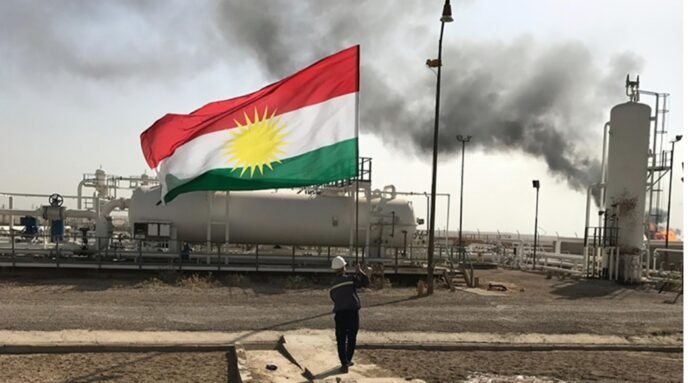
Iraqi Kurdistan has resumed shipments to the United States, boosting Kurdish oil trade and strengthening its role in energy markets. The first tanker carrying northern Iraqi crude arrived at the Louisiana Offshore Oil Port on November 24. Officials said this shipment marks a key step after a two-year pipeline suspension.
The oil traveled via the reopened Iraq-Turkey pipeline, operational after a US-facilitated agreement in September. Baghdad, the Kurdistan Regional Government, and international oil companies coordinated to restart the pipeline, ensuring crude reached buyers efficiently.
The tanker Seaways Brazos transported roughly one million barrels of crude from the Turkish port of Ceyhan. Analysts said more shipments are likely to arrive in the United States soon. Meanwhile, US refineries rely on a mix of local and imported crude, including medium and heavy sour oil from the Middle East.
Before the pipeline shutdown in March 2023, northern Iraqi oil mostly went to Mediterranean and European refineries. After the reopening, Kurdish oil companies offered competitive prices, prompting rapid export resumption. This approach has already started boosting Kurdish oil trade, according to data from Kpler.
Trade experts noted that this development provides stability for both Kurdish oil and global energy supply chains. They also highlighted that US refineries gain new sources to meet processing needs. The exports show Iraq’s and Kurdistan’s ability to negotiate agreements and resume trade quickly.
The pipeline reopening and new shipments also strengthen Kurdish revenue streams and attract investment in oil infrastructure. Analysts predict that boosting Kurdish oil trade will enhance regional growth and reinforce northern Iraq’s presence in global energy markets.
With more tankers expected in the coming weeks, Kurdistan aims to maintain steady exports. The renewed activity highlights collaboration between regional authorities and international partners, ensuring the Kurdistan Region remains a key energy supplier.
