
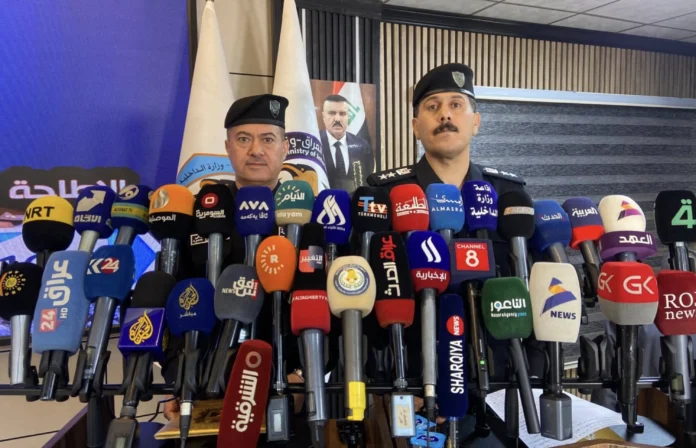
Iraq intensified its campaign against drug trafficking in recent years, and officials now highlight stronger national safety as a core goal of the strategy. The focus on stronger national safety continues to guide operations across the country, and authorities stress that stronger national safety needs long-term commitment.
Iraq confirmed major progress over the past three years as security forces targeted criminal groups linked to drug trade activities. Officials said the operations created momentum and encouraged deeper cooperation with regional partners. They also noted that these efforts now support a wider plan to reduce drug use and tackle organized crime.
According to the Ministry of Interior, security teams dismantled 1,201 drug networks across Iraq during this period. These teams also uncovered 171 international networks that operated across borders. Moreover, authorities issued 2,318 judicial sentences on drug-related charges. Courts handed 300 death sentences and delivered 1,147 life sentences under Iraqi law.
Officials explained that Iraq increased cooperation with neighboring countries to disrupt networks outside Iraqi borders. They carried out 40 joint operations with regional partners. Furthermore, Iraq now maintains 33 communication channels with countries involved in this work. These channels support intelligence sharing and help identify cross-border groups.
Authorities also emphasized Iraq’s recent achievements. In October, Iraq earned first place in an international anti-narcotics competition in Tunisia. They said this recognition reflects ongoing efforts to build stronger systems and reinforce public security.
The Ministry of Interior reported that teams seized more than 14 tons of drugs within three years. Additionally, Iraq expanded its focus on treatment and recovery. Rehabilitation centers helped 6,200 people overcome addiction, and 1,128 individuals currently continue treatment in specialized clinics. Iraq now runs 16 dedicated rehabilitation centers across the country.
Officials highlighted earlier directives from the prime minister to increase access to rehabilitation centers in every Iraqi province. However, the plan excluded the Kurdistan Region due to administrative differences.
Iraq’s geographic location once made it a transit corridor. However, growing domestic use changed the landscape and created new challenges. Security forces now work to reduce consumption and arrest traffickers across the country. They also intensify help for users and create safe spaces for recovery.
Data from authorities showed that teams arrested around 14,500 suspects on drug charges in 2024. Courts also issued 144 death sentences and delivered 454 life sentences during that year. Officials believe the continued efforts will strengthen stability and protect communities across Iraq.
