
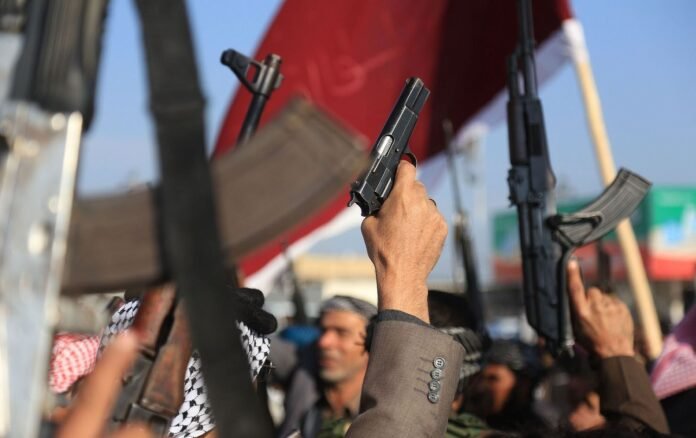
Authorities in Maysan reported a deadly confrontation between two tribes, and the incident renewed concerns about escalating tribal violence in southern Iraq. The clash erupted in a rural area near the border of Maysan and Wasit. Moreover, the violence highlighted rising tensions over land disputes that continue to destabilize several communities. The tragic event also emphasized how escalating tribal violence threatens public safety across the region.
According to security sources, intense gunfire broke out after a disagreement over a farmland plot. The confrontation left six people dead and seven others injured. Medical teams treated several victims with critical wounds. They also warned that the toll could grow because some injuries required urgent attention. Additionally, the clash created immediate fear among families living near the disputed land.
Security units rushed to the area and quickly surrounded the scene. They arrested several individuals linked to the shooting. They also seized weapons and vehicles used during the confrontation. This prompt response aimed to prevent further escalation. However, the event exposed deeper issues that continue to fuel escalating tribal violence in the southern provinces.
Officials stated that the dispute occurred within the Ali al-Gharbi district. The location sits near the provincial border and often witnesses conflicts over farmland ownership. Many families in the region depend on agriculture, which increases pressure during disagreements. Tribal leaders frequently attempt mediation, yet many disputes turn violent before negotiations begin.
The spread of weapons further intensifies these tensions. Many communities across Maysan, Basra, and Dhi Qar possess large numbers of unregulated firearms. Authorities estimate that millions of light and medium weapons remain outside government control. Consequently, conflicts escalate quickly because armed groups react immediately to any perceived threat.
Local residents explained that longstanding rivalries deepen these challenges. Many communities carry memories of previous disputes that never received proper resolution. These unresolved issues create cycles of retaliation that surface whenever new disagreements arise. Furthermore, weak enforcement of weapons laws gives armed groups greater space to act without restraint.
The recent clash raised fresh calls for stronger security measures. Many community members urged authorities to increase patrols and enforce stricter controls on weapon possession. They also requested more government support to mediate land disputes before they turn violent.
Although security forces restored calm, the region now faces renewed fear. Families worry that future disagreements may trigger similar confrontations. The tragic event demonstrated the urgent need for long-term solutions that reduce tensions and protect communities from further harm.
