
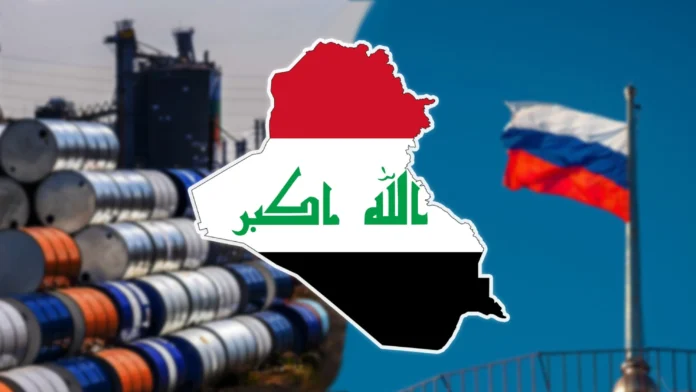
Iraq is taking decisive steps to protect Iraq’s oil stability amid tightening U.S. sanctions on Russian energy firms. The Eco Iraq Observatory proposed five direct and practical solutions to help the government maintain operations with Lukoil and Rosneft.
The observatory said both companies are vital to Iraq’s oil production, especially in Basra and the Kurdistan Region. Losing them could disrupt Iraq’s oil stability and cause serious setbacks in development projects.
To prevent this, the observatory presented five strategies. First, it recommended creating new legal entities in neutral countries like the UAE, China, or Turkey. These entities could operate under different names and continue work without breaching sanctions. Iranian firms once used similar methods to trade oil in Asia.
Second, Iraq could handle financial transactions outside the U.S. system. The country could pay Russian companies in rubles or yuan through banks not tied to Washington’s jurisdiction. This move would reduce sanction risks and keep financial operations running.
Third, the observatory urged forming Iraqi-Russian joint service companies. These partnerships would let Russian experts serve as technical advisors only, keeping their legal exposure low while sustaining progress in the oil sector.
Fourth, it advised Iraq to seek diplomatic exemptions from the U.S. or Europe. Iraq previously secured waivers to import Iranian gas, and similar deals helped India and Egypt continue buying Russian oil.
Finally, the observatory proposed involving third-party partners from China or India. These firms could manage finances or administration while Lukoil and Rosneft focus on technical work. The approach would reduce legal risks and ensure steady production.
The observatory warned that stopping Russian operations could harm Iraq’s oil stability, particularly in West Qurna-2, which Lukoil runs, and projects in the north led by Rosneft. With sanctions tightening and global politics shifting, Iraq now faces a difficult balance — protecting diplomacy while defending Iraq’s oil stability and energy future.
