
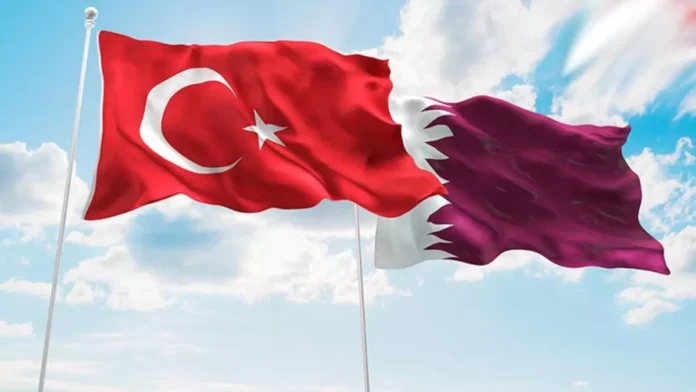
Turkey and Qatar are reshaping global alliances, demonstrating how smaller nations can influence larger blocs. Their strategy challenges traditional power structures and highlights the importance of strategic partnerships. This growing influence in the Middle East is now capturing global attention.
The two nations have redefined their positions within NATO and the GCC, using diplomacy and economic leverage to strengthen their strategic ties. By doing so, they are proving that alliances can be flexible tools to achieve national ambitions rather than strict obligations. Turkey and Qatar’s coordinated approach emphasizes how collaboration can serve national interests while still engaging with global institutions.
In recent months, these efforts have become more visible. Turkey has expanded its diplomatic outreach across Europe, while Qatar has enhanced its investments in energy and infrastructure projects throughout the region. Together, they are creating a network that bypasses traditional consensus-driven decision-making, allowing both nations to maneuver more freely.
Furthermore, the collaboration impacts regional stability. Houthi attacks in Yemen have disrupted trade routes, affecting countries such as India, Israel, Jordan, Egypt, Morocco, and Cyprus. Turkey and Qatar have responded by strengthening defense coordination and leveraging their strategic positions to mitigate these disruptions. Their actions show that resilience and influence often come from controlling key logistical and economic pathways.
Analysts note that Turkey and Qatar are effectively turning “membership into leverage” within NATO and the GCC. This approach allows them to hold traditional allies accountable while pursuing independent agendas. It also challenges other member states to reconsider how they balance national priorities with bloc commitments.
In addition, both countries are using media, trade, and diplomatic channels to project influence beyond their borders. For instance, Qatar continues to fund development projects and humanitarian initiatives, while Turkey has increased military and economic support across critical regions. These steps further solidify their status as regional power brokers.
Turkey and Qatar’s actions illustrate a new era in global geopolitics. They are showing that strategic partnerships, rather than rigid alliances, define modern influence. Their growing influence in the Middle East will likely shape policies, trade, and security strategies across the region for years to come.
