
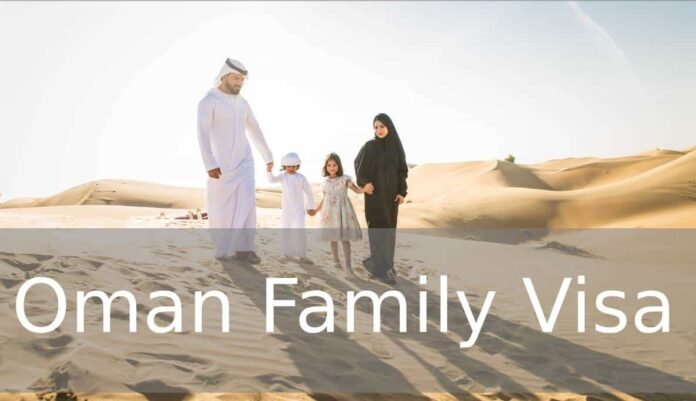
Oman has expanded its Oman cultural visa program to allow spouses and first-degree relatives of foreign artists and cultural professionals to live and work in the country. Consequently, Oman strengthens its position as a regional hub for the creative industries.
The updated framework introduces several new categories under Oman’s visa and residency system. Authorities aim to encourage long-term cultural exchange and ensure family stability for professionals contributing to Oman’s cultural scene.
Under the revised rules, the Oman cultural visa is granted to foreigners entering Oman for cultural purposes. Authorities issue the visa through the relevant Omani cultural body. Applicants must use it within three months of issuance.
In addition, a joining visa is now available for the spouse or first-degree relatives of the primary visa holder. This visa allows family members to accompany the creator and reside in Oman legally.
Moreover, a cultural residency permit provides a pathway for foreigners already in Oman to continue their work without interruption. The joining residency permit extends this benefit to family members arriving through the joining visa.
Officials say these measures aim to foster collaboration, create stronger connections, and promote innovation across cultural sectors. By allowing families to stay together, Oman strengthens its creative environment.
Furthermore, the policy aligns with Oman Vision 2040, which promotes economic diversification through non-oil sectors such as culture, tourism, heritage, and the creative economy.
Cultural stakeholders have welcomed the expansion of the Oman cultural visa, calling it a turning point for the Sultanate. Therefore, the policy positions Oman as both a destination for cultural tourism and a permanent home for creators, researchers, performers, and investors in the arts.
Experts believe the new visa and residency system will encourage foreign artists to establish deeper ties with Oman. Additionally, it will create opportunities for locals to engage with international talent, fostering creativity and knowledge exchange.
By introducing these new visa categories, Oman demonstrates a strong commitment to cultural growth and innovation. Ultimately, the expanded Oman cultural visa program marks a historic step in attracting global talent while supporting family stability for creative professionals.
