
Kuwait is accelerating its modernization efforts with new reforms impacting biometrics, traffic courts, and work regulations. Citizens and residents must now adjust to the new digital system designed to simplify procedures and improve efficiency. This reflects the country’s focus on technology-driven solutions and appears throughout the report.
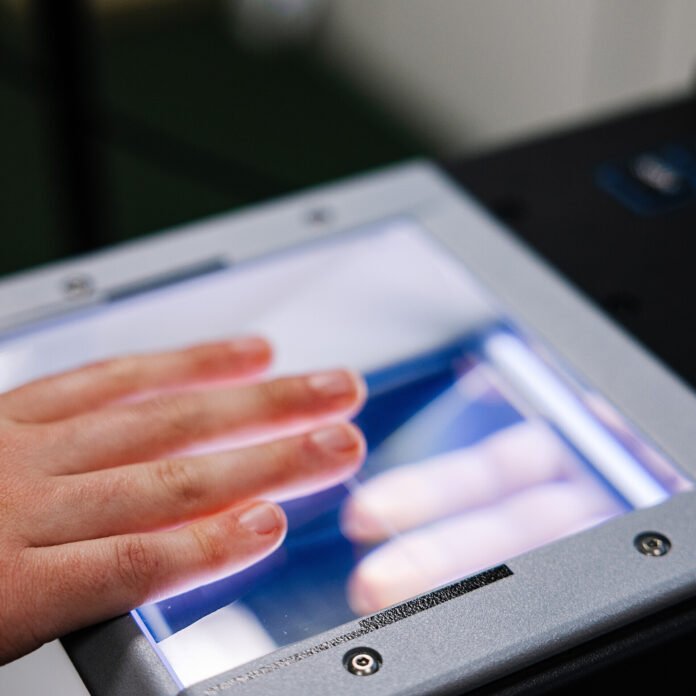
The interior ministry announced that citizens and expatriates no longer need to submit biometric information at airports or land and sea exits. Instead, those who have not yet completed their biometric registration must visit designated centers across the country. These centers, open daily from 8 a.m. to 2:30 p.m., will streamline processing and avoid long queues at exit points. Residents of the Capital governorate can submit biometrics at the Hawally security department. Citizens may also use national ID centers, which operate from 8 a.m. to 1:30 p.m. and 3 p.m. to 7:30 p.m.
Transitioning to the judicial system, an Amiri decree published in the official gazette officially abolishes the traffic court. Established 65 years ago, the special court has been deemed unnecessary because regular courts now handle traffic violations efficiently. The new system will take effect in three months and represents a shift toward more integrated and practical governance.
Meanwhile, the Public Authority of Manpower (PAM) has implemented resolution no. 15 of 2025, regulating private sector working hours. The measure introduces the new digital system to manage work schedules, rest periods, weekly days off, and official holidays electronically. Employers must update all data promptly, as the system serves as the official reference for inspections.
PAM emphasized that approved electronic records must be printed and displayed at workplaces. This ensures transparency and provides easy access for both employees and inspectors. Violations of the system may lead to legal action, including partial or full suspension of company files under law no. 6 of 2010. The authority urged businesses to update information immediately to remain compliant.
Together, these reforms reflect Kuwait’s broader push toward modernization. By leveraging the new digital system, the country reduces bureaucracy, enhances efficiency, and strengthens governance. As biometrics, court procedures, and work regulations move online, Kuwait is establishing a model for technology-driven public administration in the region.
The government’s integrated approach ensures that residents and employees can navigate essential services more efficiently while meeting legal and regulatory standards. Overall, the reforms highlight Kuwait’s commitment to innovation, convenience, and transparency, anchored firmly in the new digital system.
