
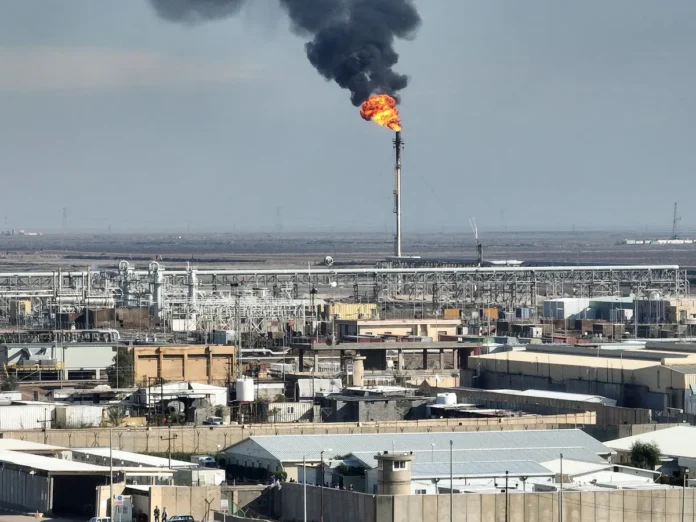
Baghdad is preparing to resume Kurdish oil exports after reaching a comprehensive deal with the Kurdistan Regional Government (KRG). The agreement signals a major step toward stabilizing Iraq’s oil trade.
The KRG confirmed on Wednesday that it completed all commitments for restarting Kurdish oil exports in coordination with Iraq’s federal Ministry of Oil. Nearly all local and international companies operating in the region signed the framework. Only one foreign firm has not yet finalized its approval, but officials said this will not delay the overall process.
On September 23, the KRG Ministry of Natural Resources sent all company approvals to Iraq’s Oil Ministry. Once Baghdad signs the final agreement, the State Organization for Marketing of Oil (SOMO) will begin receiving and exporting crude from the Kurdistan Region.
Exports from the Kurdish region have been halted since March 2023. The stoppage followed Turkey’s decision to suspend flows through the Ceyhan pipeline. Ankara acted after the International Chamber of Commerce in Paris ruled in favor of Baghdad. The ruling challenged the KRG’s previous independent oil shipments.
In August, Baghdad and Erbil agreed on a mechanism to restart exports. The deal reserves 50,000 barrels per day for local consumption, while transferring the remaining crude to SOMO for international sales. Meanwhile, federal authorities continue negotiations with Turkey to resume pumping Kurdish crude to global markets.
Experts say this agreement could strengthen Iraq’s economic stability. Restarting Kurdish oil exports will improve revenue for both the federal government and the Kurdistan region. Analysts also note the deal could encourage foreign investors to return, boosting regional development.
Officials from Baghdad and Erbil emphasized cooperation and trust as key factors. They promised transparency in implementing the new export framework. Market observers expect the first shipments under the agreement to move swiftly once Turkey allows pipeline operations to resume.
Energy analysts predict that restarting these exports could increase Iraq’s oil output significantly. They argue that the deal also demonstrates Iraq’s growing ability to manage complex oil trade disputes. With negotiations continuing, both Baghdad and Erbil show commitment to a coordinated energy strategy.
The renewed flow of crude will strengthen Iraq’s position in regional oil markets. Baghdad and the KRG aim for a smooth, predictable supply chain, minimizing disruptions. This move also signals stability to international partners watching Iraq’s energy sector.
