
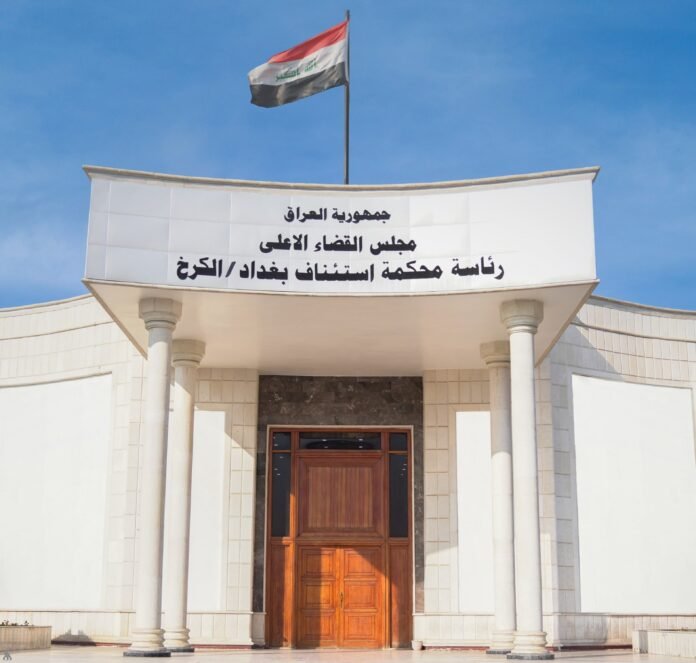
Iraq’s elections face new scandal after a dramatic decision by the Karkh Investigation Court. On Tuesday, the court confirmed the arrest of a parliamentary candidate accused of deceiving voters. Authorities explained that the individual promised jobs, loans, and social benefits in exchange for votes. This case immediately fueled wider concerns about the credibility of Iraq’s elections.
According to judicial sources, investigators quickly wrapped up their work and referred the file under the elections law. Officials also notified the Independent High Electoral Commission (IHEC) to formally remove the candidate. At the same time, the Supreme Judicial Council emphasized strict enforcement of legal procedures. Leaders stressed that courts must block any action that threatens the integrity and transparency of Iraq’s elections.
However, this incident does not stand alone. Iraq’s elections already carry heavy disputes and growing uncertainty. Legal challenges, candidate disqualifications, and warnings about possible delays now dominate the political climate. Analysts warn that every controversy adds more tension ahead of the November 11 vote.
Meanwhile, IHEC continues a wide purge of ineligible candidates. Records show that hundreds have already lost their chance to run. Out of 7,440 applicants, 627 were barred from the ballot. These removals came for many reasons, including de-Baathification laws, criminal charges, corruption allegations, and forged documents. Within this group, 290 candidates were excluded for accountability and justice issues. Another 106 faced restrictions tied to criminal backgrounds.
Despite these challenges, Iraq’s elections remain scheduled. Campaigning begins on October 8 and ends just before special voting. According to official figures, nearly 30 million Iraqis can cast their votes from a population of 46 million. Over 7,900 candidates will compete for 329 parliamentary seats. These seats stretch across more than 400 parties and 140 alliances. Observers note that this makes the contest one of the largest since 2003.
In conclusion, Iraq’s elections face new scandal at a sensitive moment. While officials work to maintain order, political uncertainty continues to rise. Every arrest, disqualification, or legal battle raises new doubts about the road ahead.
