
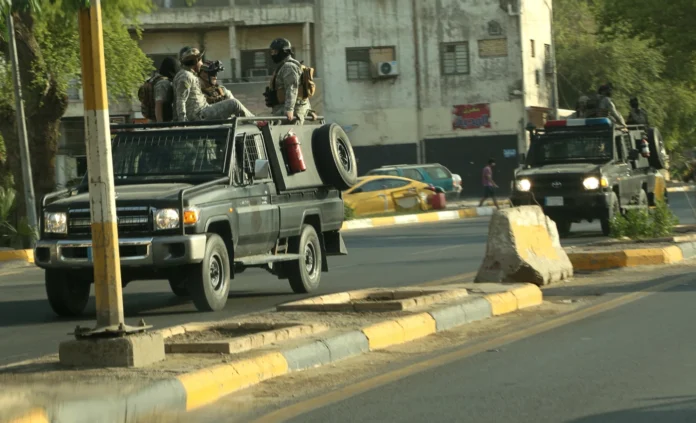
The debate over the PMF Law once again dominates Iraq’s political scene. Despite new attempts by lawmakers to revive discussions, many hurdles remain. Political maneuvering has intensified, yet progress toward an actual vote appears unlikely in the current term.
In parliament, several deputies have begun gathering signatures to request an extraordinary session. Some members are even preparing to attend such a session dressed in PMF uniforms to show solidarity. However, while the gesture highlights symbolic support, the legislative reality looks far more complicated. The PMF Law remains without a confirmed date for voting.
According to political insiders, Iraq’s leading parties have failed to reach consensus on the most controversial points. This deadlock suggests the proposal may be postponed until the next parliament. With elections scheduled, most discussions now focus on post-election government formation. Leaders from major blocs publicly emphasize the importance of forming a government within 30 days of the results. Still, private agreements between powerful factions will ultimately shape outcomes.
One parliamentarian stressed that many deputies recognize the sacrifices of the Popular Mobilization Forces. They want to secure a permanent legal framework for the group through the PMF Law. Yet, signatures on paper do not guarantee real progress. Observers believe international pressure, especially from Washington, plays a significant role in blocking the initiative. Critics argue that the United States seeks to maintain leverage by delaying any move that strengthens the PMF institution.
Meanwhile, parliament has been inactive since early August. No directive has emerged from the speaker’s office to resume regular sessions. Key bills, including the PMF proposal, remain stalled. Political uncertainty has only deepened frustration among lawmakers and citizens waiting for concrete action.
The Popular Mobilization Forces were officially established in 2014 to counter the ISIS threat. Since then, the group has grown into a major pillar of Iraq’s security structure. However, its political influence and militia ties continue to divide national leaders. The proposed legislation aims to regulate its benefits, responsibilities, and legal status. Until rival factions find common ground, the law will remain suspended in uncertainty.
